Wednesday, December 12, 2018

Do you know what this plant is?

Anyone know what this plant is? 🤔 Winner get a free gift voucher!


Thursday, October 4, 2018

Look no further! Thank you sir for the wonderful review!

Look no further! Thank you sir for the wonderful review!
Potting Mix on amazon-https://amzn.to/2wKlaMo
Potting Mix on MahaGro- https://bit.ly/2HOW4Ab


Thursday, September 13, 2018

The 8 Best Gardening Tips and Tricks for Beginners

Gardening is a great hobby to take up; it gets you outside, burning calories, and produces rewarding results. Whether you’re looking to grow some delicious produce or beautiful flowers, these 9 tips and tricks for beginners will get you started off on the right foot!
1. Start Up Gardening
Don’t fret about finding a suitable plot in your backyard, simply start a container garden anywhere you’d like. Plus this way you can ensure the soil is fertile and easily prevent weeds! You’ll be more likely to follow through with your gardening if your container garden is near your back door or a window you use often. First start small, then work your way up to a bigger garden.
2. Solid Soil and Dependable Drainage
Make sure your container has good soil and drainage, which means plenty of potting mix! Creating good drainage is also very manageable. Ensure that your container garden has holes in the bottom, and then line the bottom of the container with a layer of rocks.
3. Location Location Location
Some plants are shade plants, others need sun, and yet even more plants are partial shade or sun! Don’t overlook that part. We have a easy solution. Place your container garden on wheels or a trolley, so you can move it around in the event your selected spot doesn’t get as much sunlight as you originally thought.
4. Timing and Type
mahagro potting mix
If you want succeed with your garden you need to plant the right type of plants at the right time of year! Be sure to also check the seed’s information.
5. The Perfect Plants for Beginners
Some plants are just known to be easier to grow than others- plant these! For easy-to-grow produce, gardening experts recommend tomatoes, peppers, onions, chard, basil, and bush beans. Easy to grow and maintain flowers include clematis(a vine), sunflowers, dahlia’s, foxglove, roses, petunia. Just ask your local plant nursery employee to direct you to the easy growing plants plants.

6. Well Watered
Make sure you give young plants plenty of water, but always avoid wetting the plant’s leaves! Wet leaves can easily lead to mold, rot, and a sick plant! As your sprouts grow, remember that the general rule of thumb is to give plants an inch of water per week. If you keep the garden close to your house, popping outside to give your plants some water will hardly seem like any effort at all. Be on the look-out for yellow leaves that means too much water!
7. Go Organic, Really
mahagro organic potting soil
Make organic choices with your soilfertilizing, pest control, and even seed selection. Heirloom produce plants taste much better than mainstream varieties. Plants that are fertilized or treated with chemicals can become weak and prone to disease.
8. Trim and Prune
Trimming and pruning your plants allows for increased air circulation and fewer leaves for your to spill water on (Don’t wet the leaves! See #5!)

Monday, August 27, 2018

Growing Watermelon in Containers | How to Grow Watermelon in Pot Vertically

Growing Watermelon in Containers | How to Grow Watermelon in Pot Vertically

Posted by Krishna Karthik on Aug 28, 2018

Growing Watermelon in Containers | How to Grow Watermelon in Pot Vertically

Growing watermelon in containers allows this big, sweet and juicy fruit to grow in smallest of spaces.

Sweet and watery watermelons are without a doubt an iconic fruit due of their high water content and soft red flesh. Those supermarket melons can’t be like homegrown fresh and organic melons. You can even plant them in a small space like a balcony, it is possible by growing watermelon vertically in a pot.

Propagation and Planting Watermelon in Pot

Watermelon has long taproot and it doesn’t transplant well that’s why it is better to sow the seeds directly in a pot. Sow 3-4 seeds directly in a pot once the temperature starts to reach 19 C. The germination takes place within 6 to 10 days. Thin out and leave only one of the strongest seedlings per pot.

Choosing a Pot

Growing watermelon in containers is not much difficult though tricky. You need to understand the basics. As watermelon has long taproot choosing a deep pot is essential. A large pot or bucket that is at least 2 feet deep and half wide is required.

Requirements for Growing Watermelon in Containers

Growing Watermelon in Containers | How to Grow Watermelon in Pot Vertically
Watermelons should be grown in a sunny position. If you’re growing it on a balcony or on a roof garden where space is tight, growing watermelon vertically is a solution.

Temperature

Watermelons are warm weather annuals but they can be planted in both tropical and temperate regions easily. It is possible to grow watermelons in temperature around 10-35 C. The optimum growing temperature is around 18-30 C.

Soil

Airy and well drained soil is suitable for growing watermelons. Ideal soil pH is around 6 – 6.8. Avoid compact, clayey soils. Airy and well-drained substrate promotes the growth of the plant. Also, application of an organic fertilizer improves the texture of soil and provides nutrients constantly.

Water

Watermelon requires a lot of water. Keep the soil evenly moist but not wet, the water must drain freely from the bottom. When growing watermelon in containers, you’ll need to water the plant every day and sometimes twice in a warm day. Once the fruits start to swell up and mature, reduce the watering. In that period, water carefully and moderately. Avoid overwatering and underwatering both to get the sweetest melons.

Watermelon Plant Care

Growing Watermelon in Containers | How to Grow Watermelon in Pot Vertically

Fertilizer

Start to fertilize the plant with a complete organic fertilizer.
To get a healthy and more productive plant, only allow the main vine to grow. When the plant is young, remove side branches before they grow more. Also, remove those stems that are damaged and diseased.

Pollination

Watermelon vine produces both male and female flowers separately. However, pollinators (bees and butterflies) will pollinate them but to be sure you’ll need to hand-pollinate the flowers to make sure you get fruits. The first ripe fruits appear after approx. 40 days after pollination of flowers.

Diseases and Pests

Usually, you can easily care and look after the watermelon growing in a pot. Still, it is little prone to diseases when exposed to too hot-humid or too cold weather, or due to waterlogged soil. Common garden pests like aphids, cucumber beetles and those that affect the squashes and cucumbers can infect it. Use an organic pest control if required.

Harvesting

Growing Watermelon in Containers | How to Grow Watermelon in Pot Vertically
The harvesting period depends on the climate, season, and variety. Generally, it usually begins 80-90 days later after seed sowing and between 30 to 50 days after flowering. Flowering and fruit setting continue for several weeks until the weather remains favorable and you’ll get several harvests.
Ripe fruit does not seem special. Smell and no change in color of the skin occurs. To see if the fruit is ripe, you should knock with fingers on the surface of the watermelon. If you hear a dead, hollow sound, this means that the fruit is already ripe. Another method is to check the tendril if it is fading and half dead then your watermelon is almost ripe. If it is faded, the fruit is ripe or overripe.

Helpful Tips

  • In cool short summer climates, start the seeds indoors or in a greenhouse either directly in a container or in a biodegradable pot.
  • Use a lot of organic fertilizer or potting mix for growing watermelons in containers as they are heavy feeders. Side dress your potted melon plant with organic fertilizer n every 3-4 weeks. Scrap and remove topsoil if there is no space in the container.
  • Stress (change in temperature, pests or diseases, overwatering or lack of water) to the plant at the time when fruits are maturing, results in less flavorsome and sweet fruits.
  • In a small space, growing melons vertically on a trellis is a great way to save space. Use netting, a bag or a stretchable cloth to create a hammock under the fruit to support it.
  • The trick for getting best quality fruits is to don’t let the plant set so many fruits. 2-3 fruits at the same time for large fruit varieties and 4-5 fruits for the smaller one is sufficient.
  • Do successive planting for regular harvests. Plant 2-4 plants and do the same after 2 weeks.

Sunday, August 12, 2018

HOW TO IMPROVE YOUR GARDEN SOIL WITHOUT A COMPOST HEAP

A compost heap is a great way to recycle kitchen waste and improve your garden soil for free. However not everyone has the space needed and depending on where you live.

It’s not always necessary to compost kitchen waste before adding it to your soil. So here are a few tips on how you can improve your garden soil without a compost heap using three kitchen scraps you’d normally throw away.

HOW TO IMPROVE YOUR GARDEN SOIL WITHOUT A COMPOST HEAP

3 KITCHEN INGREDIENTS THAT IMPROVE YOUR GARDEN SOIL

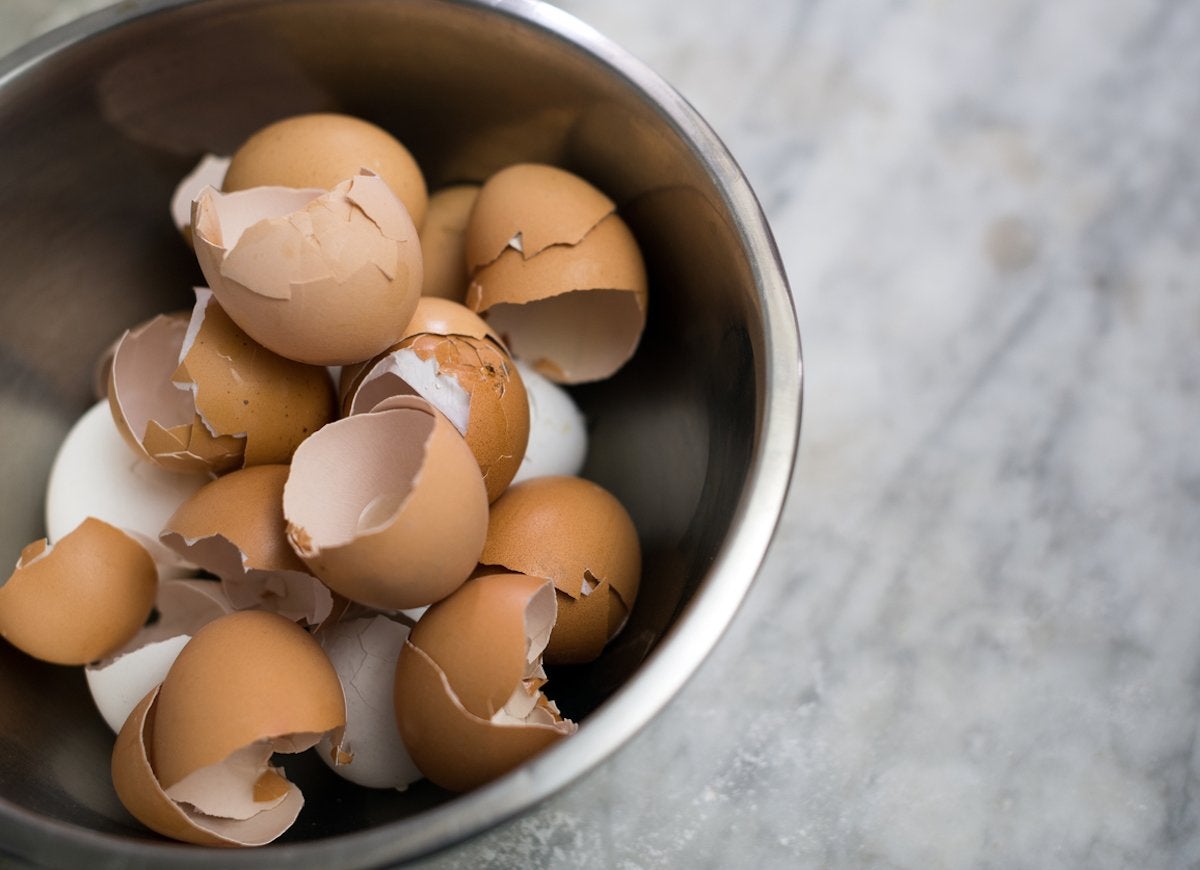
EGG SHELLS

  • Rinse out any egg shells you have and allow them to dry for a few days in a bowl on a window sill. When they are dry they crush very easily. This will help them to break down quickly when added to the soil.
  • Crushed eggshells improve drainage and the addition of  the calcium is excellent for promoting plant growth and preventing blossom end rot in tomatoes and squash plants. If you have an old coffee grinder or food processor this will make short work of it.

COFFEE GROUNDS

  • Coffee grounds can also be added directly to the soil. They act as a general fertilizer, adding organic matter, improving drainage, water retention and soil aeration. As they break down they will continue to add nitrogen which is so good for plant growth.
  • Used coffee grounds will not affect the PH level of your soil unless used in very concentrated amounts. However unused coffee grounds or leftover coffee is always such a wonderful pick-me-up for acid loving plants.
  • Coffee grounds also work very well as a mulch around plants. This keeps earthworms very happy as they seem partial to a little caffeine hit too!
  • Don’t worry if they look a bit mouldy, this is just part of the natural breaking down process and a sign that it’s working.
  • If you’re not a coffee drinker, tea bags are good for the soil too.

BANANA SKINS 

  • Adding banana skins is another excellent way to improve your garden soil. They can also be added directly to the ground as long as they are cut up into very small pieces. They’ll break down faster and offer all the micro-organisms in the soil lots more surface area to work their magic.
  • This creates plenty of new organic matter resulting in a light, well drained soil which is full of lovely earthworms. Once the banana skins have broken down they will add a powerful cocktail of nutrients; calcium, magnesium, sulphur, phosphates, potassium and sodium, all of which help plants to grow well and develop their fruit.

Tuesday, July 24, 2018

9 Secret Ingredients to Make Your Garden Grow

9 Secret Ingredients to Make Your Garden Grow

Healthy plants don't happen by accident. To grow strong and healthy, plants need sun and water as well as soil that has sufficient nutrients.

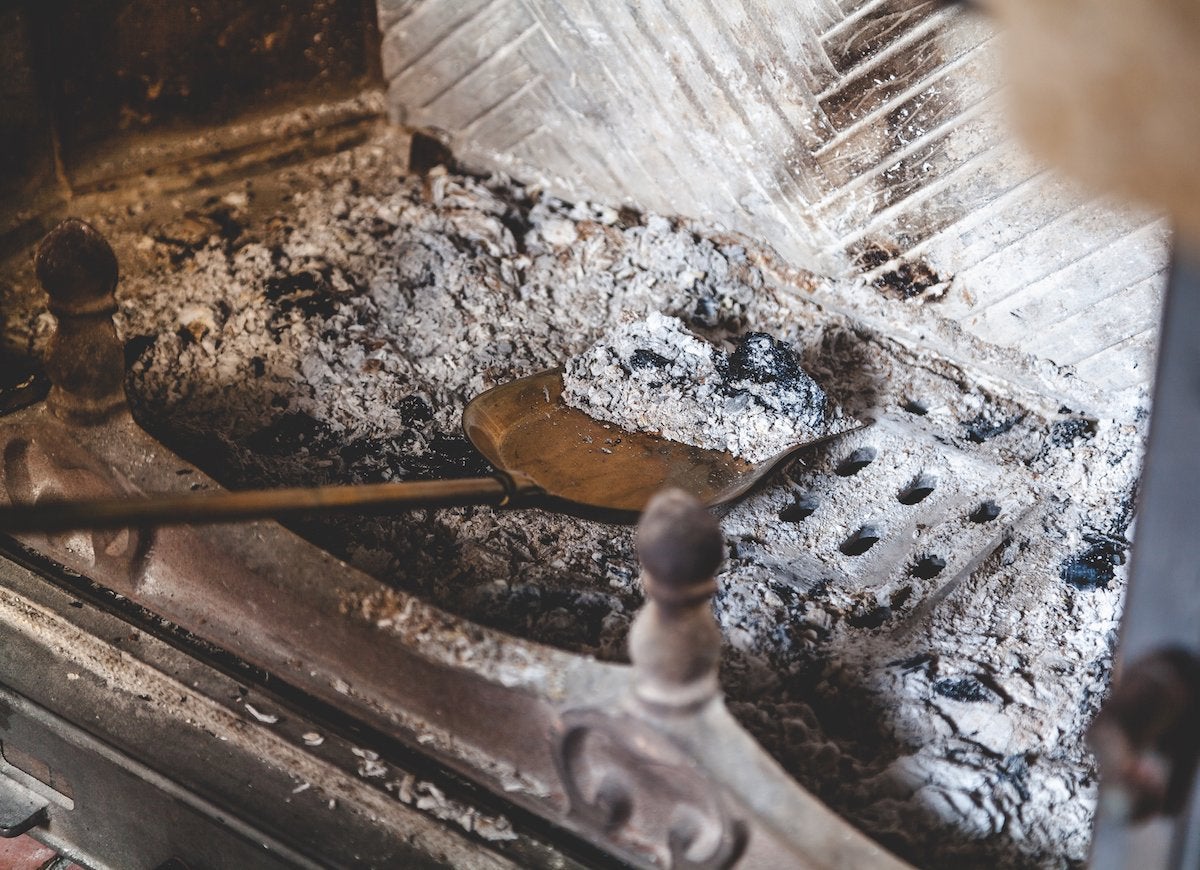
  1. Wood Ash

    Wood ash garden
    Wood ash has a high alkaline content, which makes it great for neutralizing acidic soil. Before you add any ash to your garden, make sure it is completely cool to the touch.
  2. Bananas

    Banana peel garden
    Chop up banana peels, then bury them in soil when you plant tomatoes, rosebushes, or green pepper plants. The potash and phosphorous content in the peels will enrich the soil and strengthen your plants.
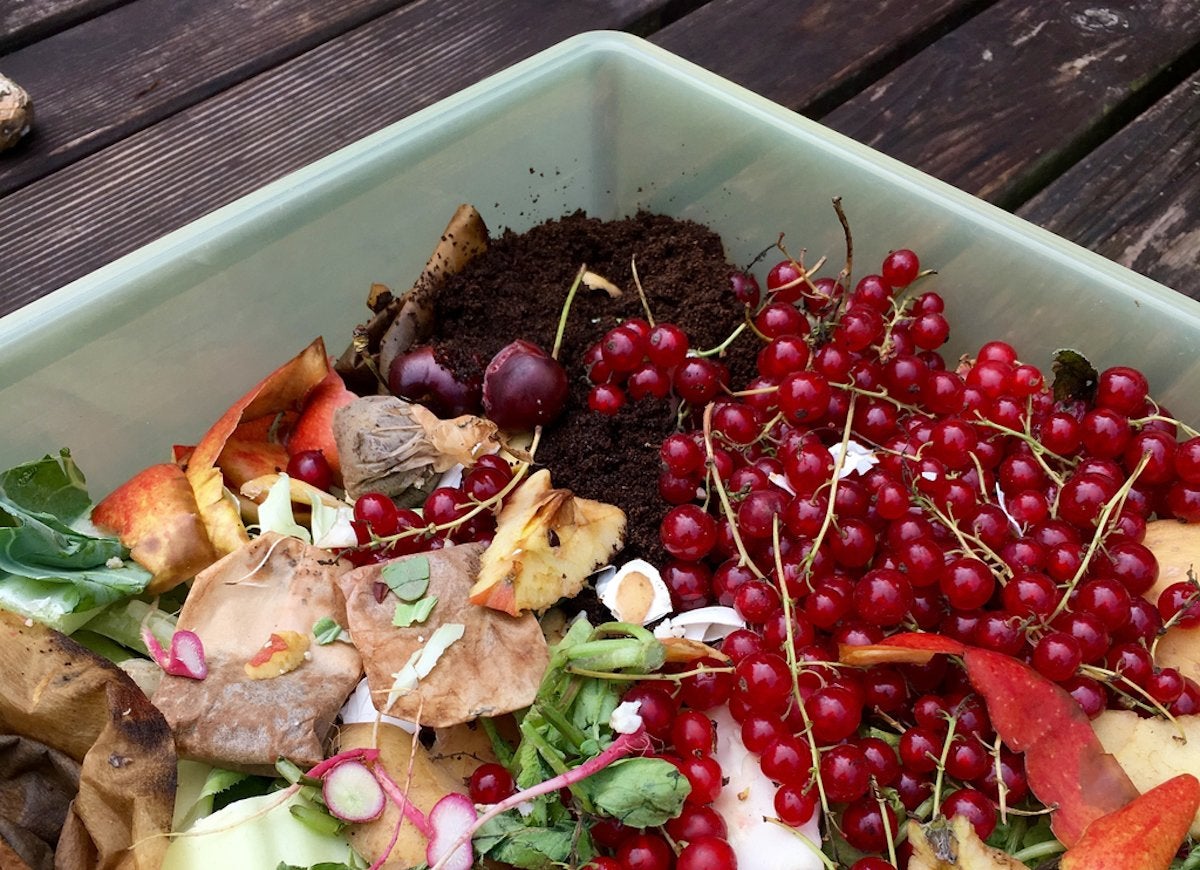
  3. Compost Tea

    Compost tea
    A strong dose of compost tea can do wonders to improve the vibrancy of your plants. If you already have a compost pile, there's a benefit to taking the time to brew it into a liquid solution bursting with beneficial microorganisms.
  4. Club Soda

    Club soda garden

    What makes club soda more nutritious then normal water? Carbonated water contains macronutrients, including carbon, oxygen, hydrogen, phosphorous, potassium, sulfur, and sodium, all of which are beneficial for your greenery. The trick, for those trying this at home, is to let the fizzy water go flat before pouring it on your plants.

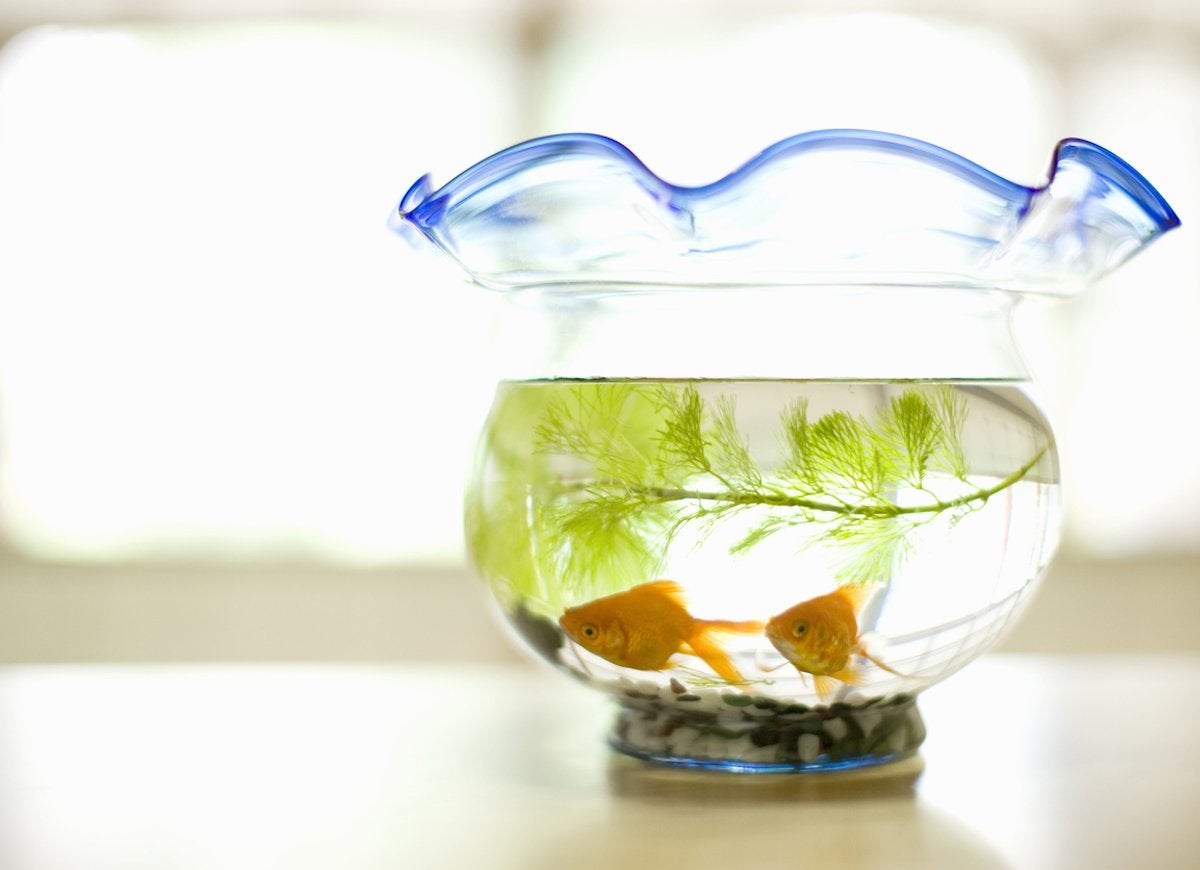
  5. Aquarium Water

    Fish water garden
    When it’s time to change the water in your fish tank, consider pouring the old water out on your plants. The waste and bacteria in aquarium water may be harmful to fishes, but they are beneficial to plants. Just make sure to use freshwater only, not saltwater, and apply it only to ornamental plants, not edible ones.
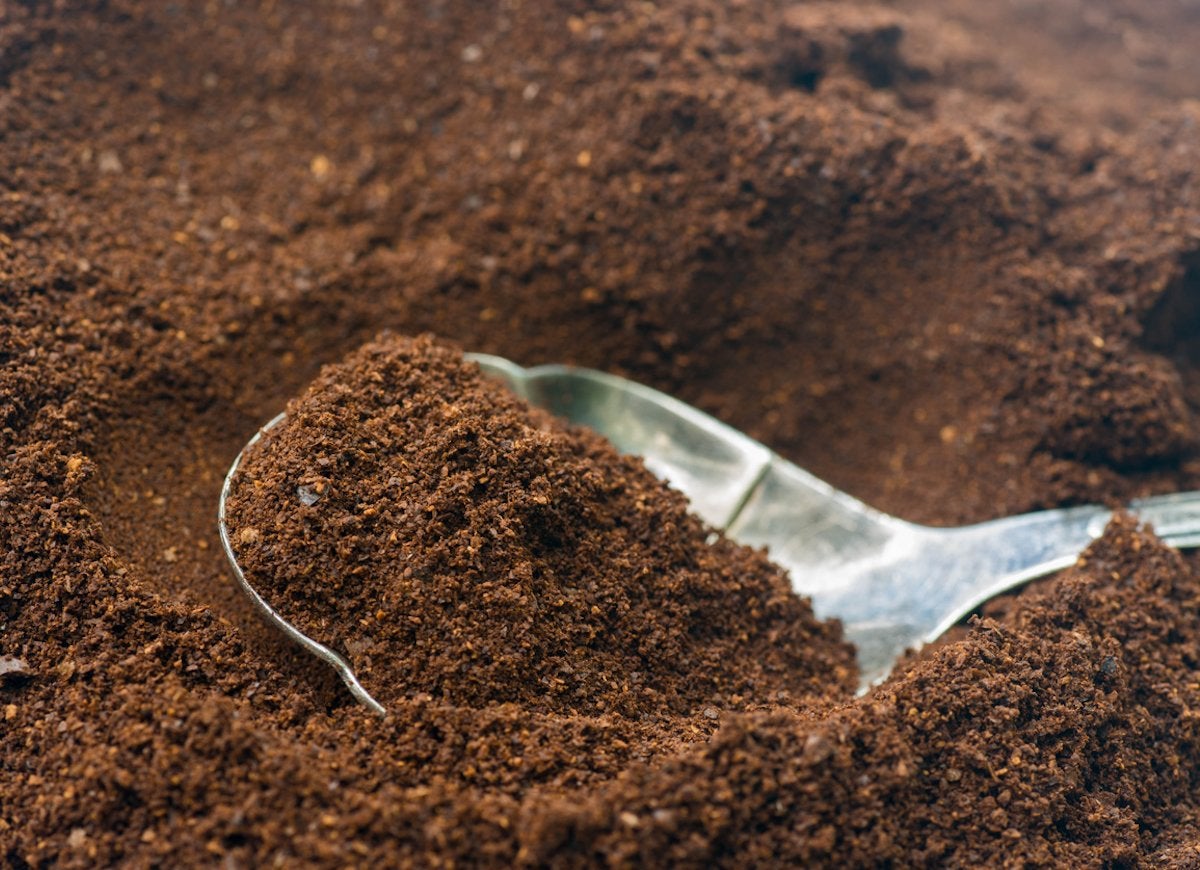
  6. Coffee Grounds

    Coffee grounds garden
    Old coffee grounds have many uses, but they're particularly effective as plant boosters, thanks to their calcium, potassium, nitrogen, and phosphorus content. Because coffee grounds acidify soil, acid-loving plants like rosebushes, evergreens, and azaleas benefit most from a treatment. Scatter fresh grounds lightly at the base of your plant or add them to the compost pile, where they will mix with other food scraps and leaves to create a rich soil.

  7. Eggshells

    Eggshells garden

    Because of their rich calcium content, eggshells should be tossed in your garden and not dust bin. Rinse them, crush them, and add them to plants like tomatoes that are often plagued by calcium deficiency. Or, start seedlings in eggshells that have been carefully halved and rinsed. When the seedlings are big enough to be transplanted, plant them right in the ground, shell and all; the shell will biodegrade over time. 
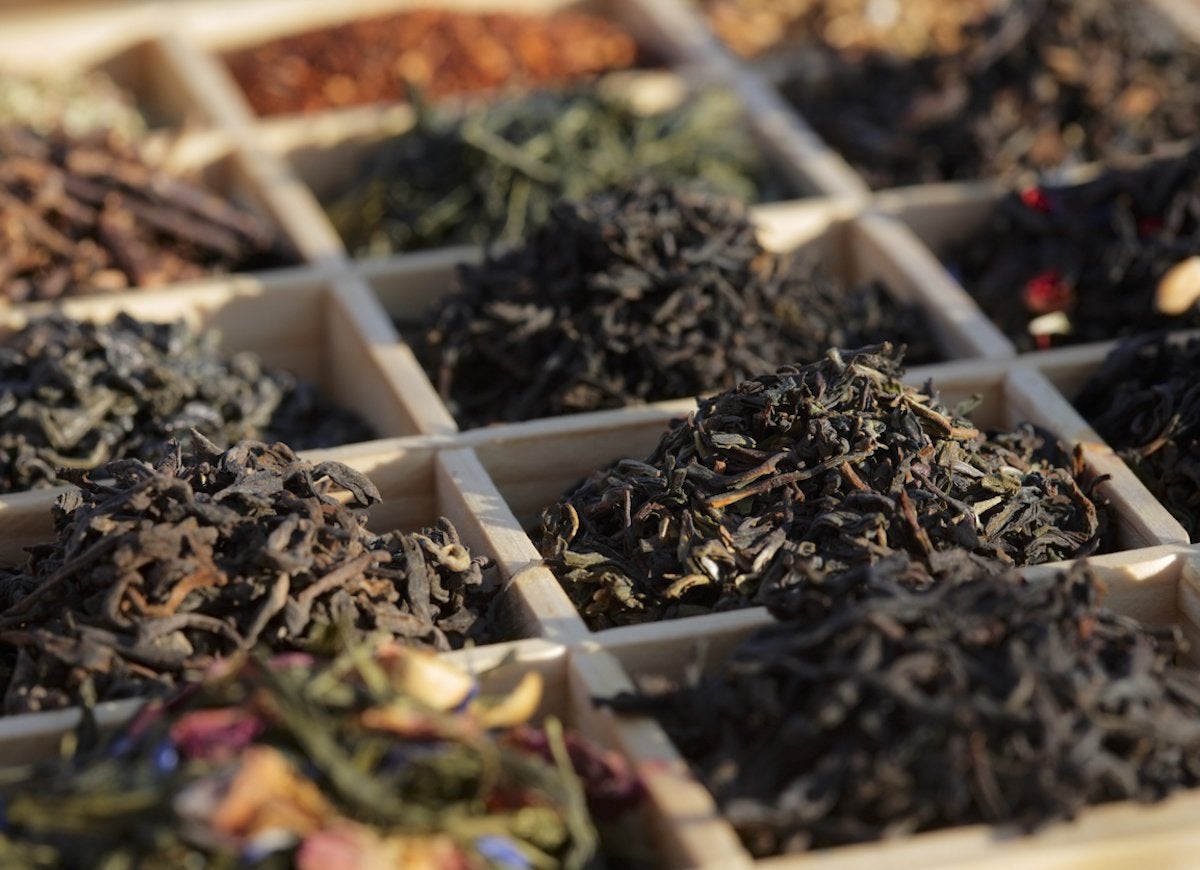
  8. Tea Leaves

    Tea leaves garden
    Used tea leaves contain the three nutrients you need for a good fertilizer: nitrogen, potash, and calcium. Sprinkle them at the base of your plant.
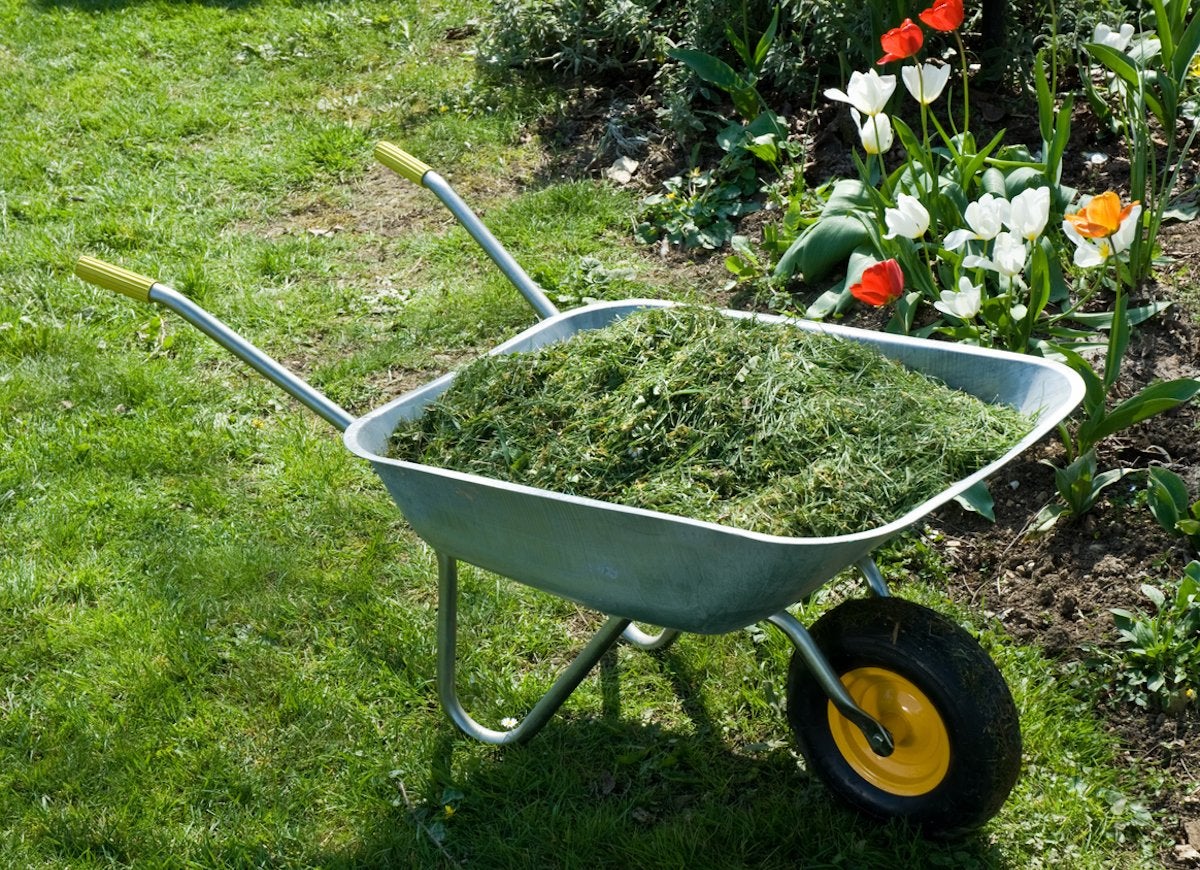
  9. Grass Clippings

     
    Grass clippings
    Adding a thin layer of grass clippings to your vegetable garden can prevent weed growth and help plants retain moisture. Apply no more than one-quarter inch of grass mulch; adding too much could inhibit water from passing through. Grass clippings that are full of weed seeds should be composted rather than applied directly to your garden—the heat from a properly maintained compost pile will kill the weed seeds. 

Saturday, July 21, 2018

Do you know what these juicy veggies are?

Grown in MahaGro Potting Mix, do you know what these juicy veggies are? Thanks ma'am for sharing the pic!  
Grown in MahaGro Potting Mix, do you know what these juicy veggies are? Thanks ma'am for sharing the pic!  Organic Potting Mix- https://bit.ly/2HOW4Ab  #gardening #organic #plants #mahagro #garden #soil #ecofriendly #eco #herbs #health #kitchen #sunlight #outdoors #vegetables #veggies #kitchengarden