9 Secret Ingredients to Make Your Garden Grow
Healthy plants don't happen by accident. To grow strong and healthy, plants need sun and water as well as soil that has sufficient nutrients.
Wood Ash
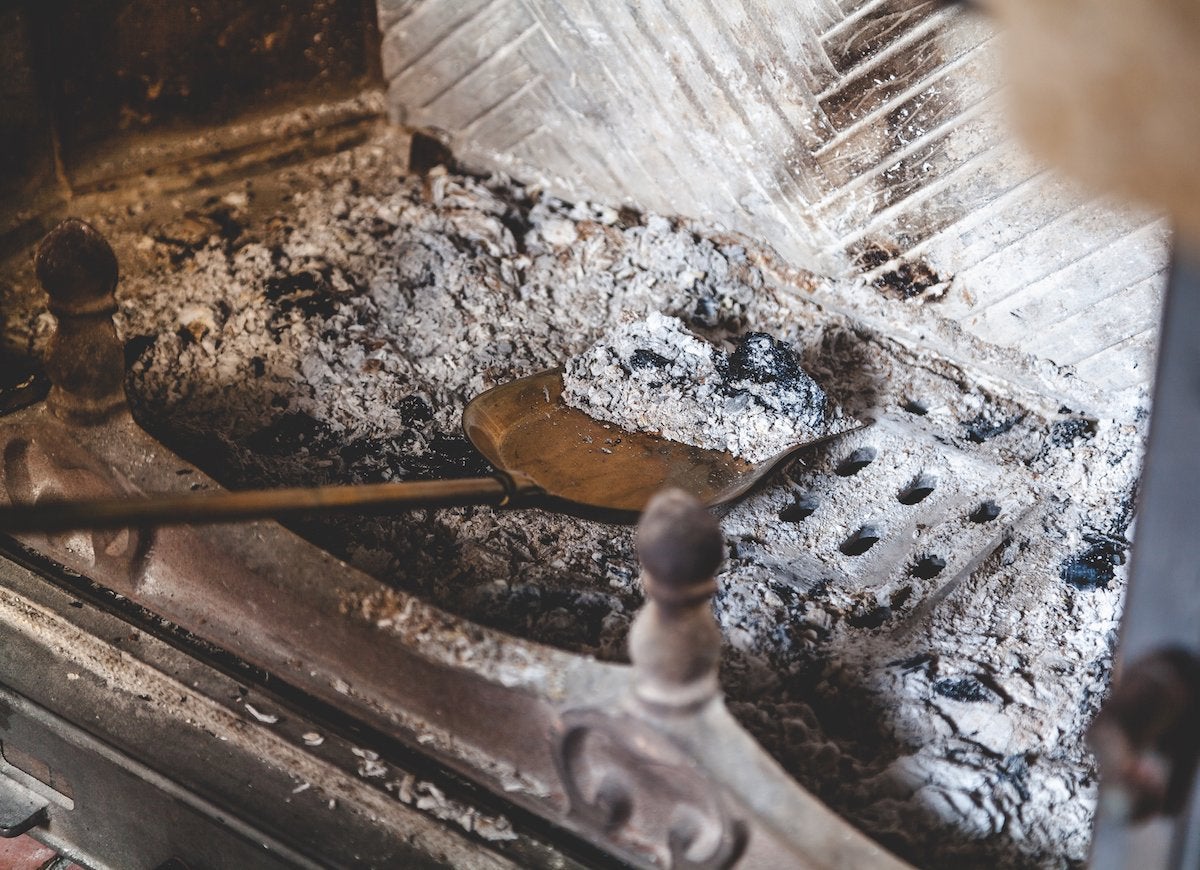 Wood ash has a high alkaline content, which makes it great for neutralizing acidic soil. Before you add any ash to your garden, make sure it is completely cool to the touch.
Bananas
 Chop up banana peels, then bury them in soil when you plant tomatoes, rosebushes, or green pepper plants. The potash and phosphorous content in the peels will enrich the soil and strengthen your plants.
Compost Tea
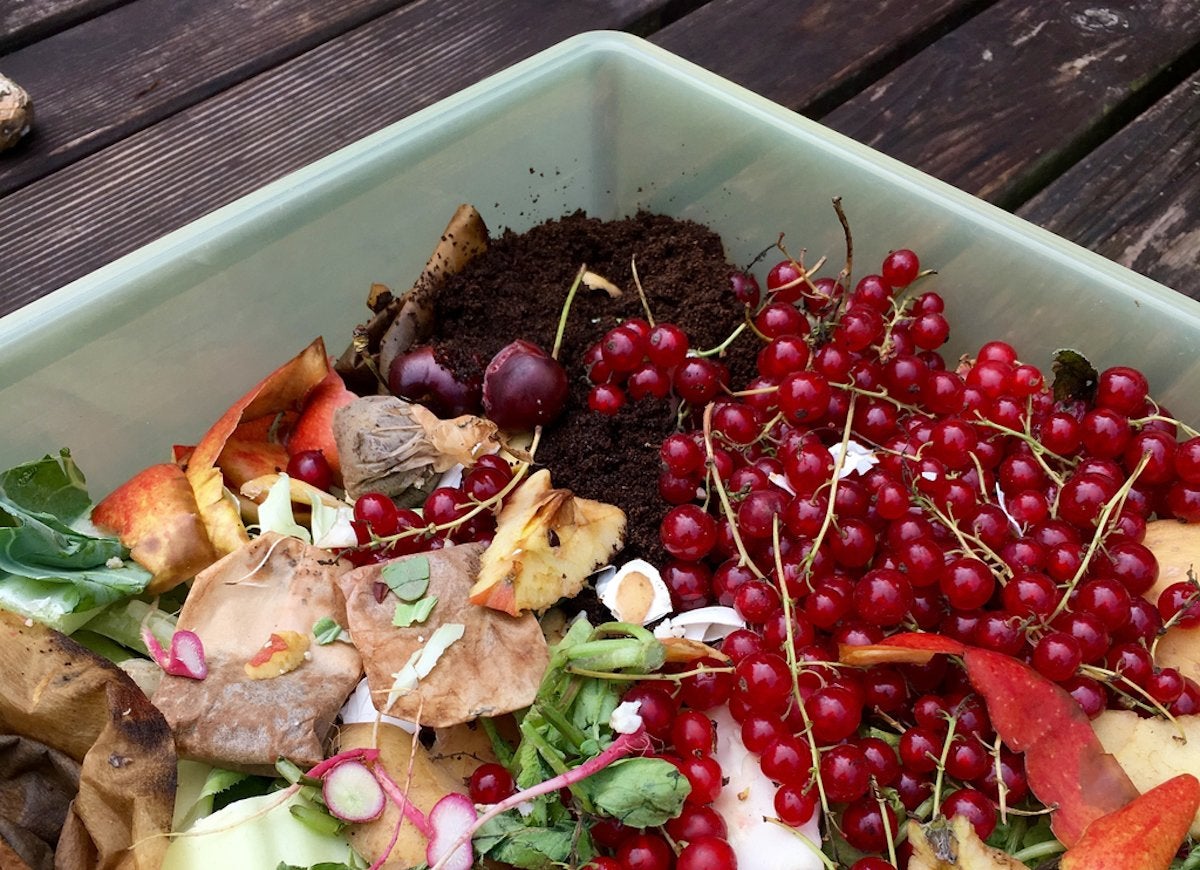 A strong dose of compost tea can do wonders to improve the vibrancy of your plants. If you already have a compost pile, there's a benefit to taking the time to brew it into a liquid solution bursting with beneficial microorganisms.
Club Soda
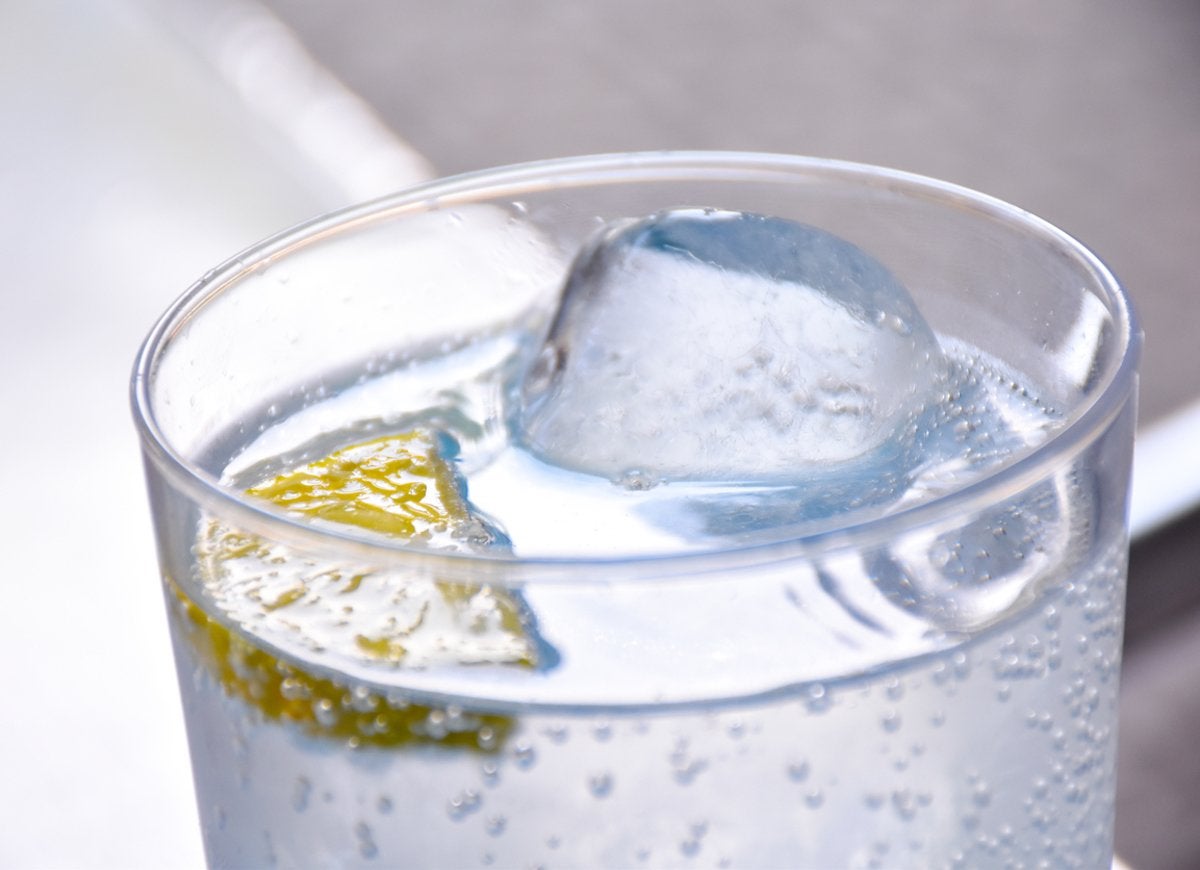 What makes club soda more nutritious then normal water? Carbonated water contains macronutrients, including carbon, oxygen, hydrogen, phosphorous, potassium, sulfur, and sodium, all of which are beneficial for your greenery. The trick, for those trying this at home, is to let the fizzy water go flat before pouring it on your plants.
Aquarium Water
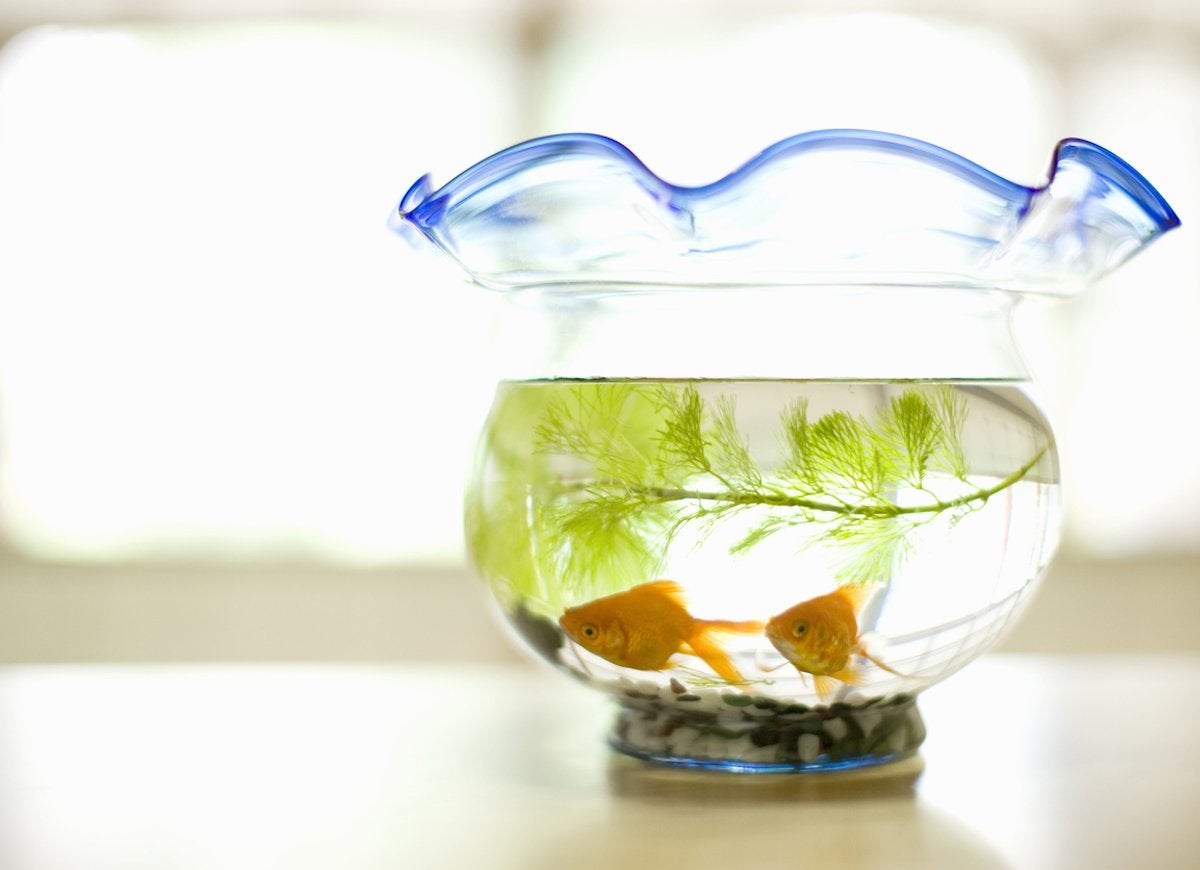 When it’s time to change the water in your fish tank, consider pouring the old water out on your plants. The waste and bacteria in aquarium water may be harmful to fishes, but they are beneficial to plants. Just make sure to use freshwater only, not saltwater, and apply it only to ornamental plants, not edible ones.
Coffee Grounds
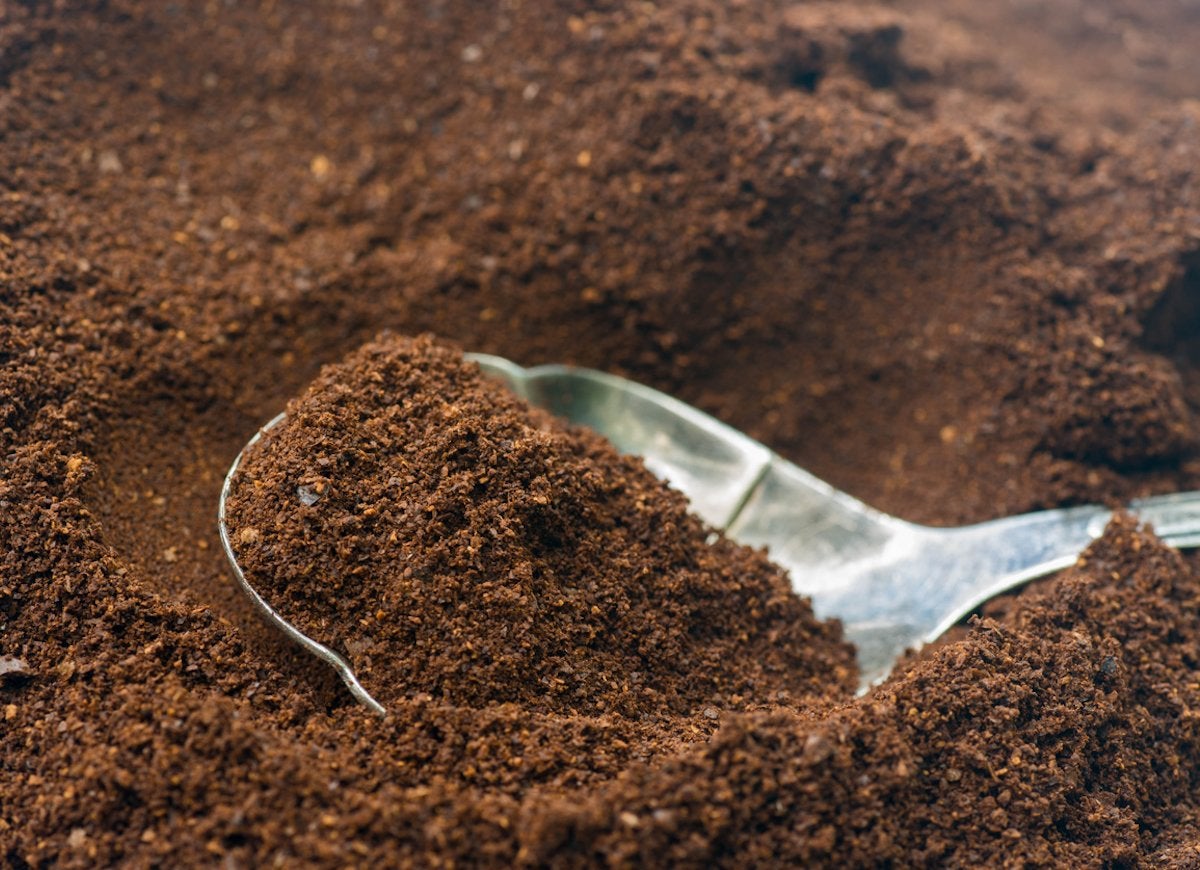 Old coffee grounds have many uses, but they're particularly effective as plant boosters, thanks to their calcium, potassium, nitrogen, and phosphorus content. Because coffee grounds acidify soil, acid-loving plants like rosebushes, evergreens, and azaleas benefit most from a treatment. Scatter fresh grounds lightly at the base of your plant or add them to the compost pile, where they will mix with other food scraps and leaves to create a rich soil.
Eggshells
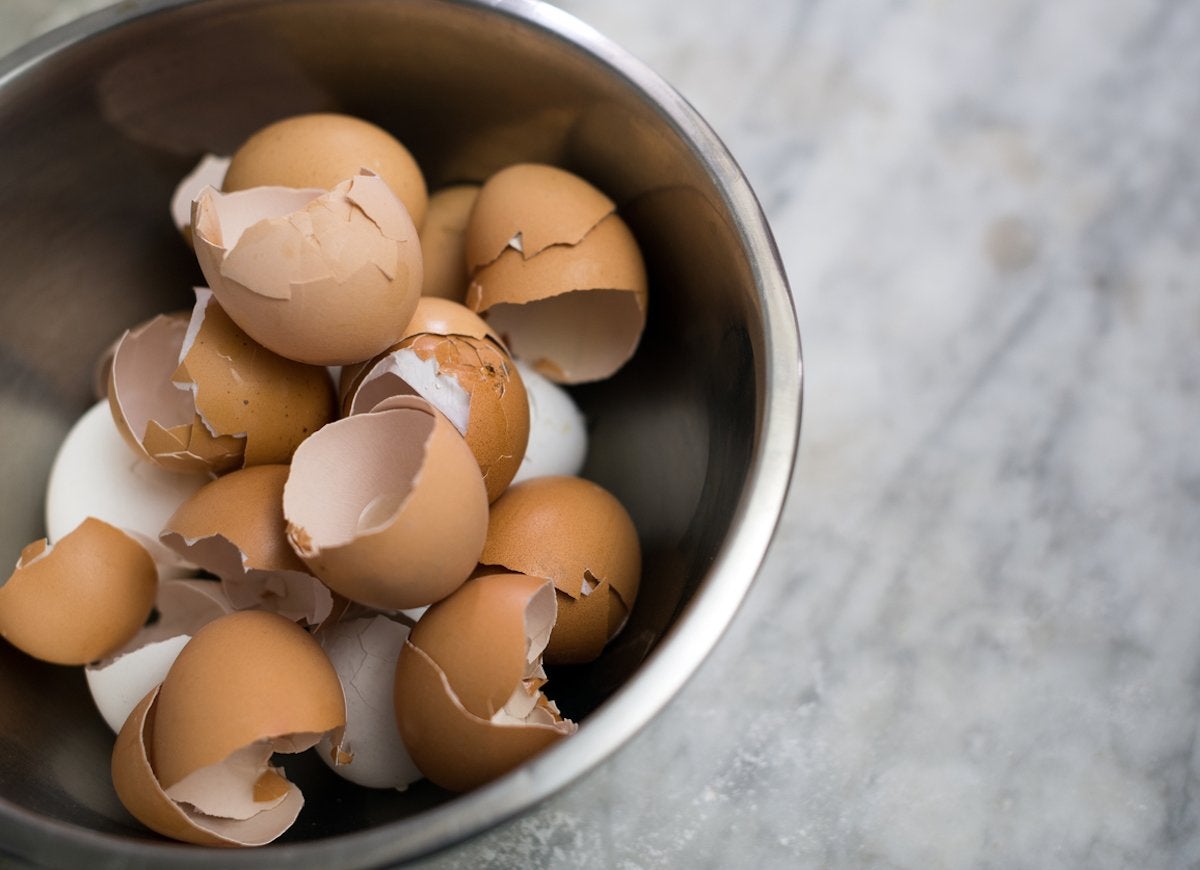 Because of their rich calcium content, eggshells should be tossed in your garden and not dust bin. Rinse them, crush them, and add them to plants like tomatoes that are often plagued by calcium deficiency. Or, start seedlings in eggshells that have been carefully halved and rinsed. When the seedlings are big enough to be transplanted, plant them right in the ground, shell and all; the shell will biodegrade over time.
Tea Leaves
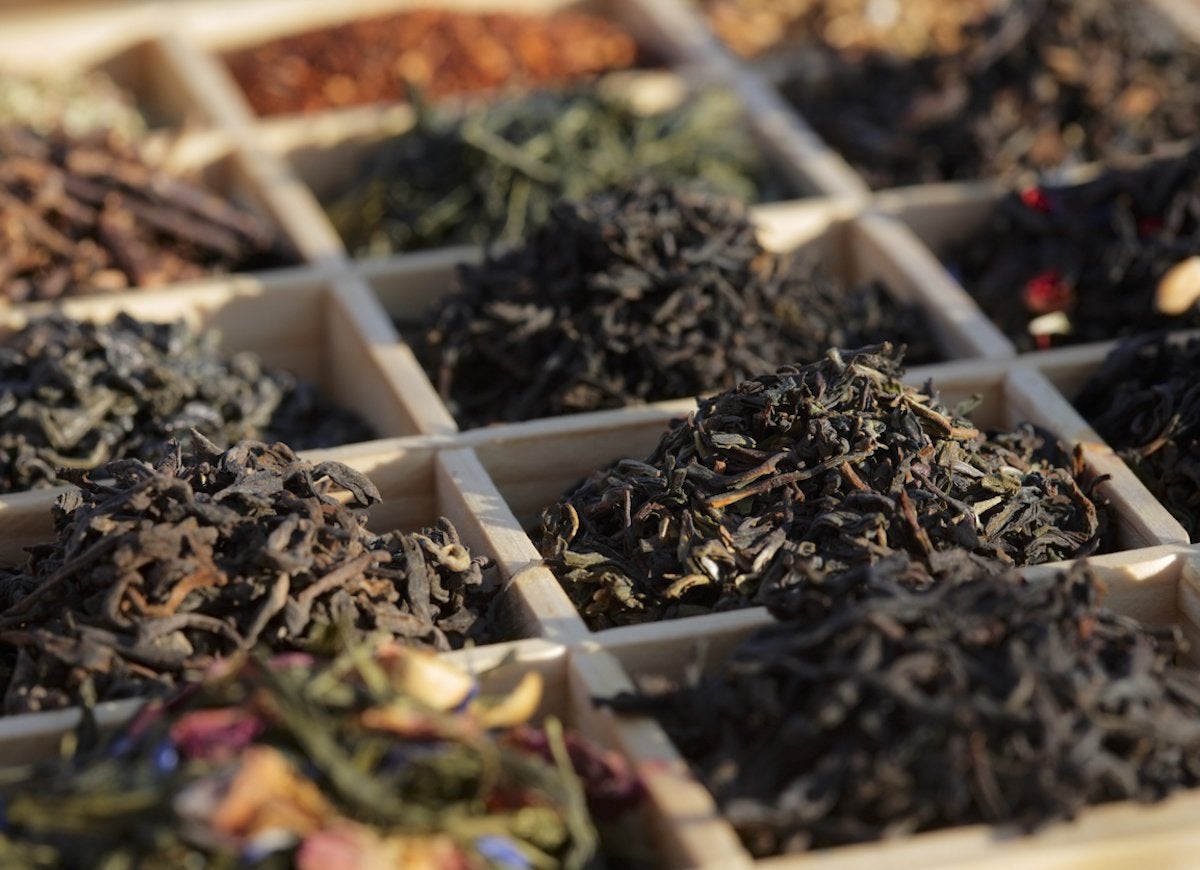 Used tea leaves contain the three nutrients you need for a good fertilizer: nitrogen, potash, and calcium. Sprinkle them at the base of your plant.
Grass Clippings
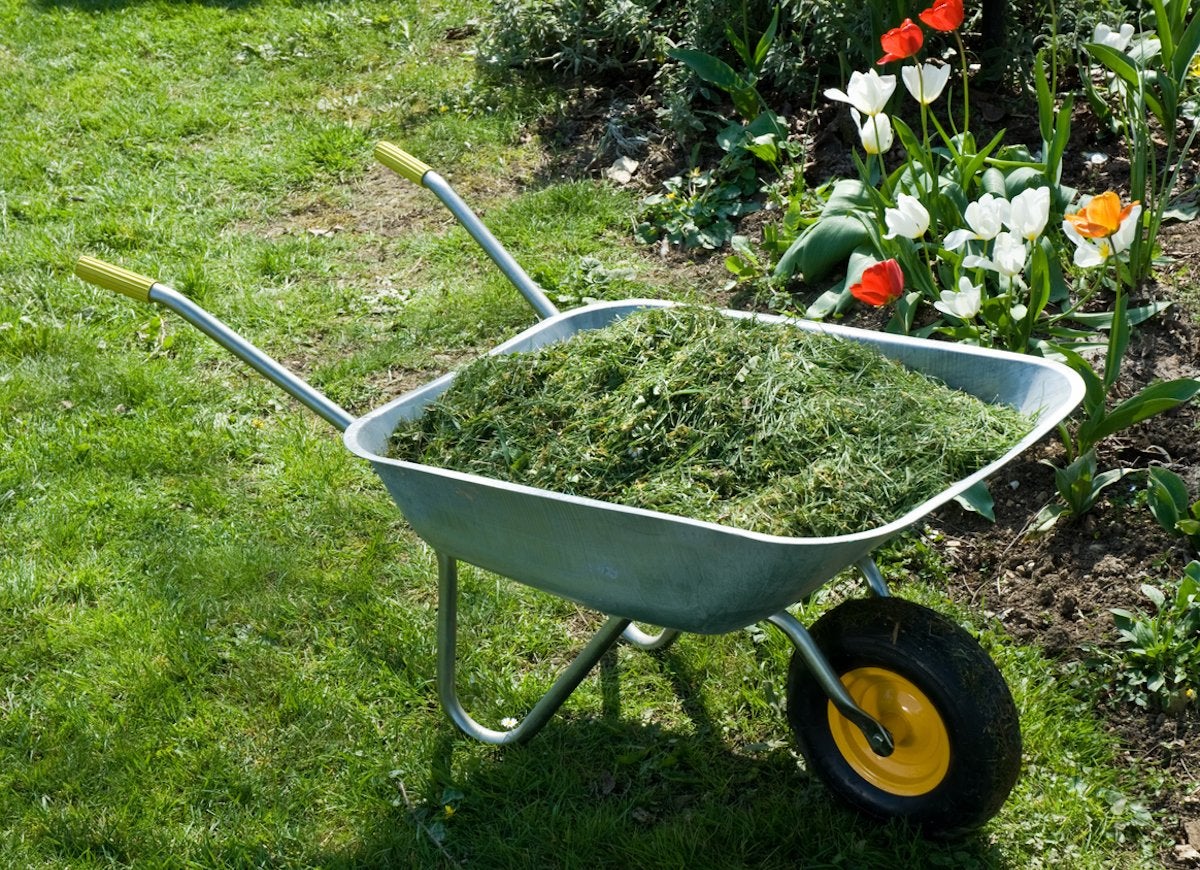 Adding a thin layer of grass clippings to your vegetable garden can prevent weed growth and help plants retain moisture. Apply no more than one-quarter inch of grass mulch; adding too much could inhibit water from passing through. Grass clippings that are full of weed seeds should be composted rather than applied directly to your garden—the heat from a properly maintained compost pile will kill the weed seeds.


