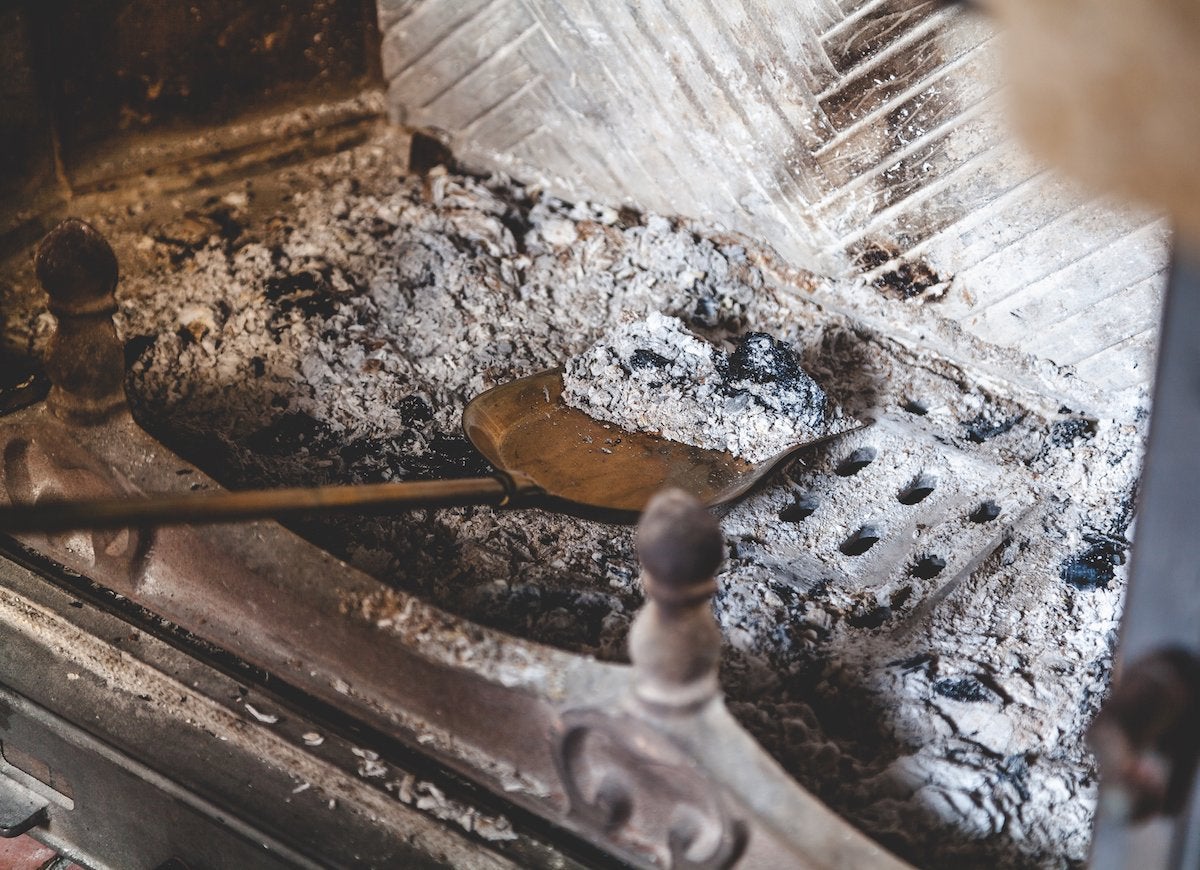
Wood ash has a high alkaline content, which makes it great for neutralizing acidic soil. Before you add any ash to your garden, make sure it is completely cool to the touch.
Wednesday, December 12, 2018
Thursday, October 4, 2018
Look no further! Thank you sir for the wonderful review!
Thursday, September 13, 2018
The 8 Best Gardening Tips and Tricks for Beginners
Gardening is a great hobby to take up; it gets you outside, burning calories, and produces rewarding results. Whether you’re looking to grow some delicious produce or beautiful flowers, these 9 tips and tricks for beginners will get you started off on the right foot!
1. Start Up Gardening
Don’t fret about finding a suitable plot in your backyard, simply start a container garden anywhere you’d like. Plus this way you can ensure the soil is fertile and easily prevent weeds! You’ll be more likely to follow through with your gardening if your container garden is near your back door or a window you use often. First start small, then work your way up to a bigger garden.
2. Solid Soil and Dependable Drainage
Make sure your container has good soil and drainage, which means plenty of potting mix! Creating good drainage is also very manageable. Ensure that your container garden has holes in the bottom, and then line the bottom of the container with a layer of rocks.
3. Location Location Location

Some plants are shade plants, others need sun, and yet even more plants are partial shade or sun! Don’t overlook that part. We have a easy solution. Place your container garden on wheels or a trolley, so you can move it around in the event your selected spot doesn’t get as much sunlight as you originally thought.
4. Timing and Type
If you want succeed with your garden you need to plant the right type of plants at the right time of year! Be sure to also check the seed’s information.
5. The Perfect Plants for Beginners
Some plants are just known to be easier to grow than others- plant these! For easy-to-grow produce, gardening experts recommend tomatoes, peppers, onions, chard, basil, and bush beans. Easy to grow and maintain flowers include clematis(a vine), sunflowers, dahlia’s, foxglove, roses, petunia. Just ask your local plant nursery employee to direct you to the easy growing plants plants.
6. Well Watered
6. Well Watered
Make sure you give young plants plenty of water, but always avoid wetting the plant’s leaves! Wet leaves can easily lead to mold, rot, and a sick plant! As your sprouts grow, remember that the general rule of thumb is to give plants an inch of water per week. If you keep the garden close to your house, popping outside to give your plants some water will hardly seem like any effort at all. Be on the look-out for yellow leaves that means too much water!
7. Go Organic, Really
Make organic choices with your soil, fertilizing, pest control, and even seed selection. Heirloom produce plants taste much better than mainstream varieties. Plants that are fertilized or treated with chemicals can become weak and prone to disease.
8. Trim and Prune
Trimming and pruning your plants allows for increased air circulation and fewer leaves for your to spill water on (Don’t wet the leaves! See #5!)
Monday, August 27, 2018
Growing Watermelon in Containers | How to Grow Watermelon in Pot Vertically
Posted by Krishna Karthik on Aug 28, 2018
Growing watermelon in containers allows this big, sweet and juicy fruit to grow in smallest of spaces.
Sweet and watery watermelons are without a doubt an iconic fruit due of their high water content and soft red flesh. Those supermarket melons can’t be like homegrown fresh and organic melons. You can even plant them in a small space like a balcony, it is possible by growing watermelon vertically in a pot.
Propagation and Planting Watermelon in Pot
Watermelon has long taproot and it doesn’t transplant well that’s why it is better to sow the seeds directly in a pot. Sow 3-4 seeds directly in a pot once the temperature starts to reach 19 C. The germination takes place within 6 to 10 days. Thin out and leave only one of the strongest seedlings per pot.
Choosing a Pot
Growing watermelon in containers is not much difficult though tricky. You need to understand the basics. As watermelon has long taproot choosing a deep pot is essential. A large pot or bucket that is at least 2 feet deep and half wide is required.
Requirements for Growing Watermelon in Containers
Watermelons should be grown in a sunny position. If you’re growing it on a balcony or on a roof garden where space is tight, growing watermelon vertically is a solution.
Temperature
Watermelons are warm weather annuals but they can be planted in both tropical and temperate regions easily. It is possible to grow watermelons in temperature around 10-35 C. The optimum growing temperature is around 18-30 C.
Soil
Airy and well drained soil is suitable for growing watermelons. Ideal soil pH is around 6 – 6.8. Avoid compact, clayey soils. Airy and well-drained substrate promotes the growth of the plant. Also, application of an organic fertilizer improves the texture of soil and provides nutrients constantly.
Water
Watermelon requires a lot of water. Keep the soil evenly moist but not wet, the water must drain freely from the bottom. When growing watermelon in containers, you’ll need to water the plant every day and sometimes twice in a warm day. Once the fruits start to swell up and mature, reduce the watering. In that period, water carefully and moderately. Avoid overwatering and underwatering both to get the sweetest melons.
Watermelon Plant Care
Fertilizer
Start to fertilize the plant with a complete organic fertilizer.
To get a healthy and more productive plant, only allow the main vine to grow. When the plant is young, remove side branches before they grow more. Also, remove those stems that are damaged and diseased.
Pollination
Watermelon vine produces both male and female flowers separately. However, pollinators (bees and butterflies) will pollinate them but to be sure you’ll need to hand-pollinate the flowers to make sure you get fruits. The first ripe fruits appear after approx. 40 days after pollination of flowers.
Diseases and Pests
Usually, you can easily care and look after the watermelon growing in a pot. Still, it is little prone to diseases when exposed to too hot-humid or too cold weather, or due to waterlogged soil. Common garden pests like aphids, cucumber beetles and those that affect the squashes and cucumbers can infect it. Use an organic pest control if required.
Harvesting
The harvesting period depends on the climate, season, and variety. Generally, it usually begins 80-90 days later after seed sowing and between 30 to 50 days after flowering. Flowering and fruit setting continue for several weeks until the weather remains favorable and you’ll get several harvests.
Ripe fruit does not seem special. Smell and no change in color of the skin occurs. To see if the fruit is ripe, you should knock with fingers on the surface of the watermelon. If you hear a dead, hollow sound, this means that the fruit is already ripe. Another method is to check the tendril if it is fading and half dead then your watermelon is almost ripe. If it is faded, the fruit is ripe or overripe.
Helpful Tips
- In cool short summer climates, start the seeds indoors or in a greenhouse either directly in a container or in a biodegradable pot.
- Use a lot of organic fertilizer or potting mix for growing watermelons in containers as they are heavy feeders. Side dress your potted melon plant with organic fertilizer n every 3-4 weeks. Scrap and remove topsoil if there is no space in the container.
- Stress (change in temperature, pests or diseases, overwatering or lack of water) to the plant at the time when fruits are maturing, results in less flavorsome and sweet fruits.
- In a small space, growing melons vertically on a trellis is a great way to save space. Use netting, a bag or a stretchable cloth to create a hammock under the fruit to support it.
- The trick for getting best quality fruits is to don’t let the plant set so many fruits. 2-3 fruits at the same time for large fruit varieties and 4-5 fruits for the smaller one is sufficient.
- Do successive planting for regular harvests. Plant 2-4 plants and do the same after 2 weeks.
Sunday, August 12, 2018
HOW TO IMPROVE YOUR GARDEN SOIL WITHOUT A COMPOST HEAP
It’s not always necessary to compost kitchen waste before adding it to your soil. So here are a few tips on how you can improve your garden soil without a compost heap using three kitchen scraps you’d normally throw away.
3 KITCHEN INGREDIENTS THAT IMPROVE YOUR GARDEN SOIL
EGG SHELLS
- Rinse out any egg shells you have and allow them to dry for a few days in a bowl on a window sill. When they are dry they crush very easily. This will help them to break down quickly when added to the soil.
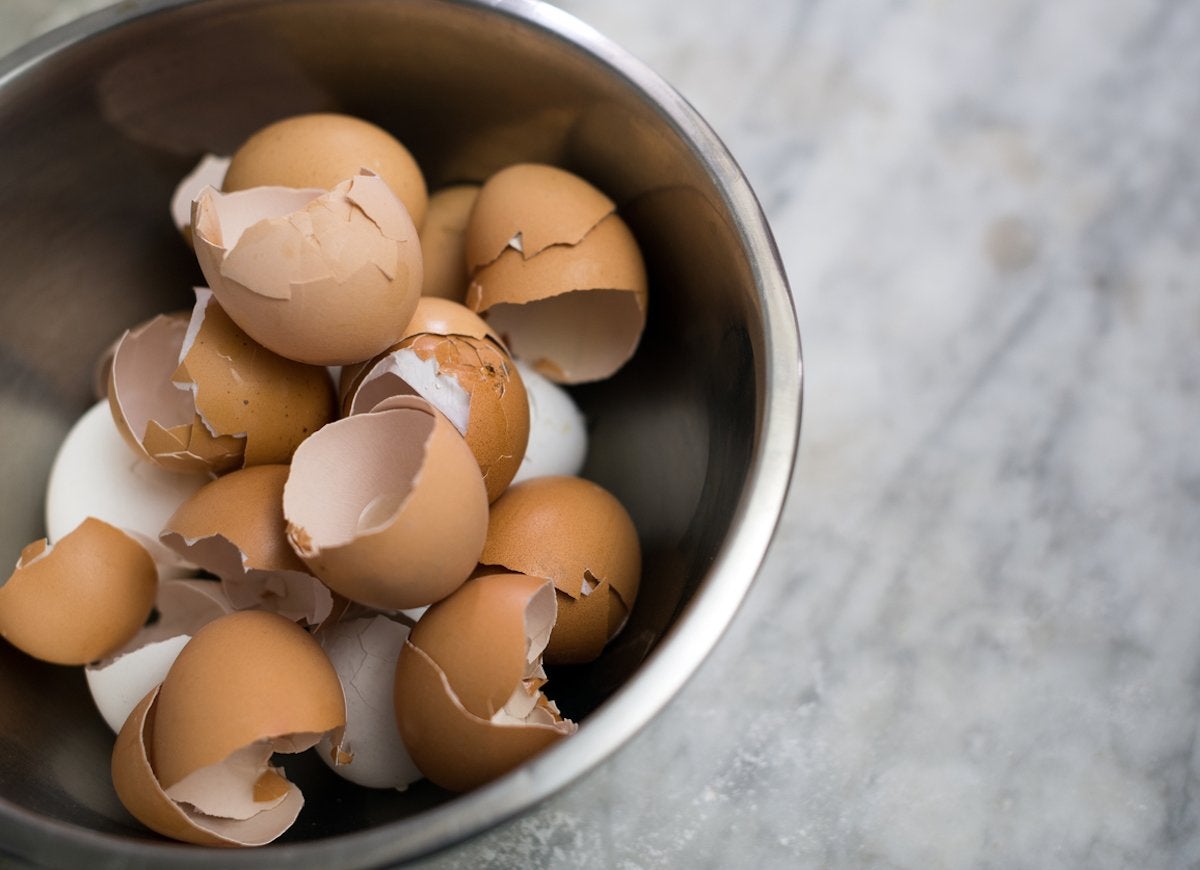
- Crushed eggshells improve drainage and the addition of the calcium is excellent for promoting plant growth and preventing blossom end rot in tomatoes and squash plants. If you have an old coffee grinder or food processor this will make short work of it.
COFFEE GROUNDS
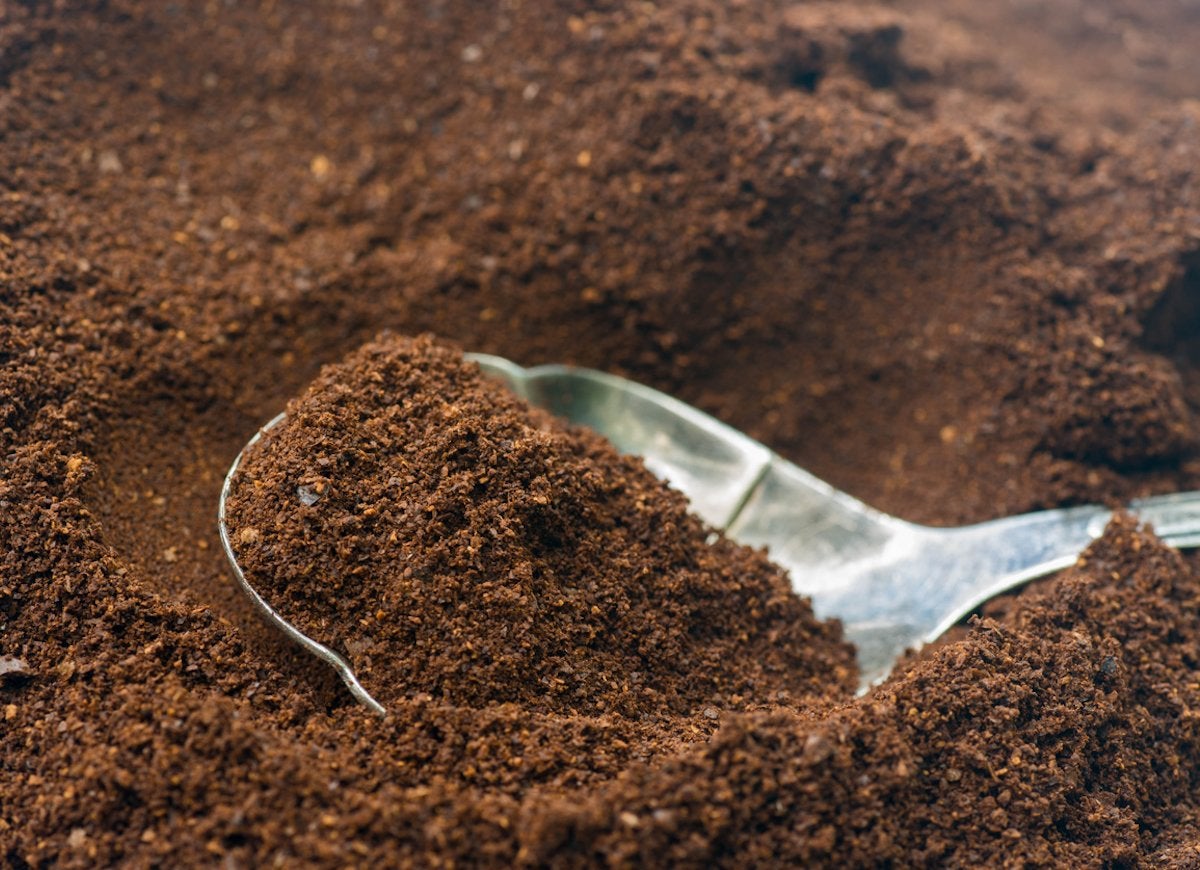
- Coffee grounds can also be added directly to the soil. They act as a general fertilizer, adding organic matter, improving drainage, water retention and soil aeration. As they break down they will continue to add nitrogen which is so good for plant growth.
- Used coffee grounds will not affect the PH level of your soil unless used in very concentrated amounts. However unused coffee grounds or leftover coffee is always such a wonderful pick-me-up for acid loving plants.
- Coffee grounds also work very well as a mulch around plants. This keeps earthworms very happy as they seem partial to a little caffeine hit too!
- Don’t worry if they look a bit mouldy, this is just part of the natural breaking down process and a sign that it’s working.
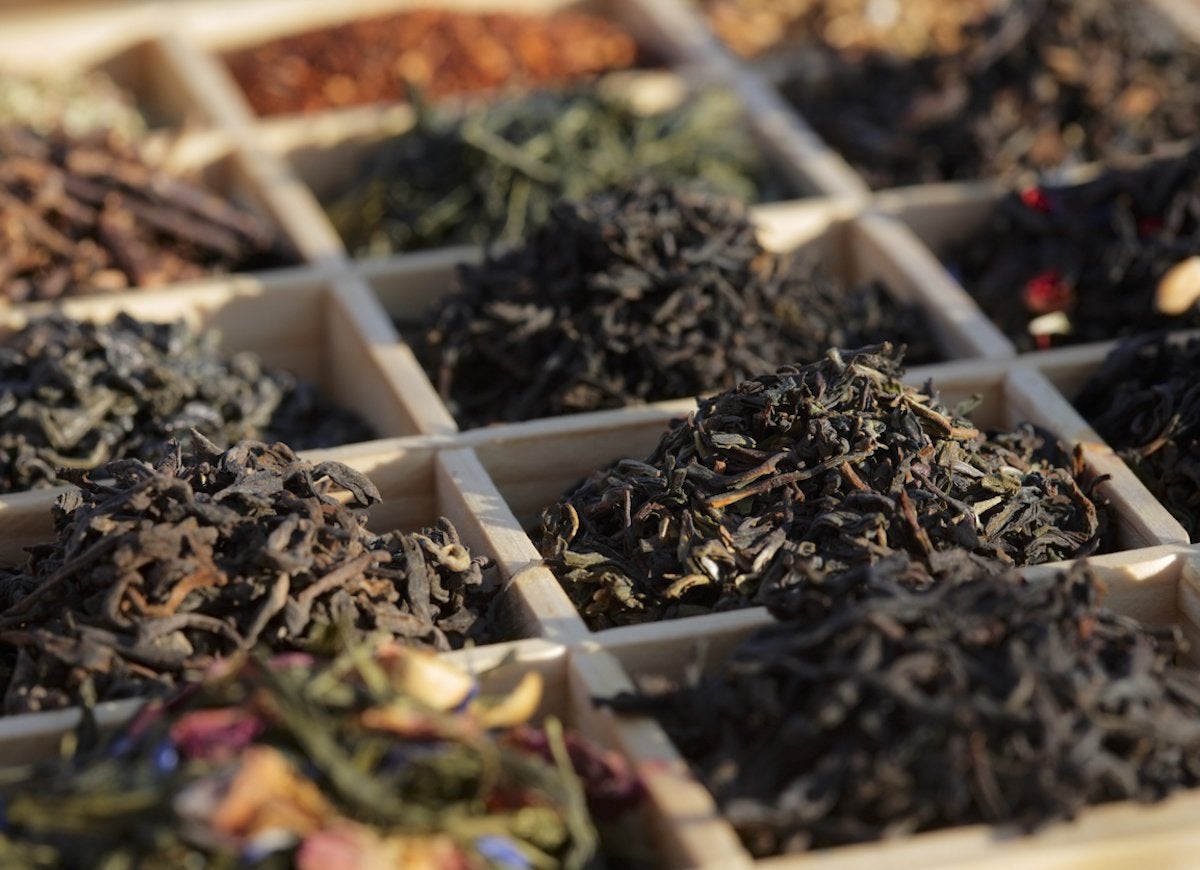
- If you’re not a coffee drinker, tea bags are good for the soil too.
BANANA SKINS
- Adding banana skins is another excellent way to improve your garden soil. They can also be added directly to the ground as long as they are cut up into very small pieces. They’ll break down faster and offer all the micro-organisms in the soil lots more surface area to work their magic.
- This creates plenty of new organic matter resulting in a light, well drained soil which is full of lovely earthworms. Once the banana skins have broken down they will add a powerful cocktail of nutrients; calcium, magnesium, sulphur, phosphates, potassium and sodium, all of which help plants to grow well and develop their fruit.
Tuesday, July 24, 2018
9 Secret Ingredients to Make Your Garden Grow
Healthy plants don't happen by accident. To grow strong and healthy, plants need sun and water as well as soil that has sufficient nutrients.
Wood Ash
Bananas
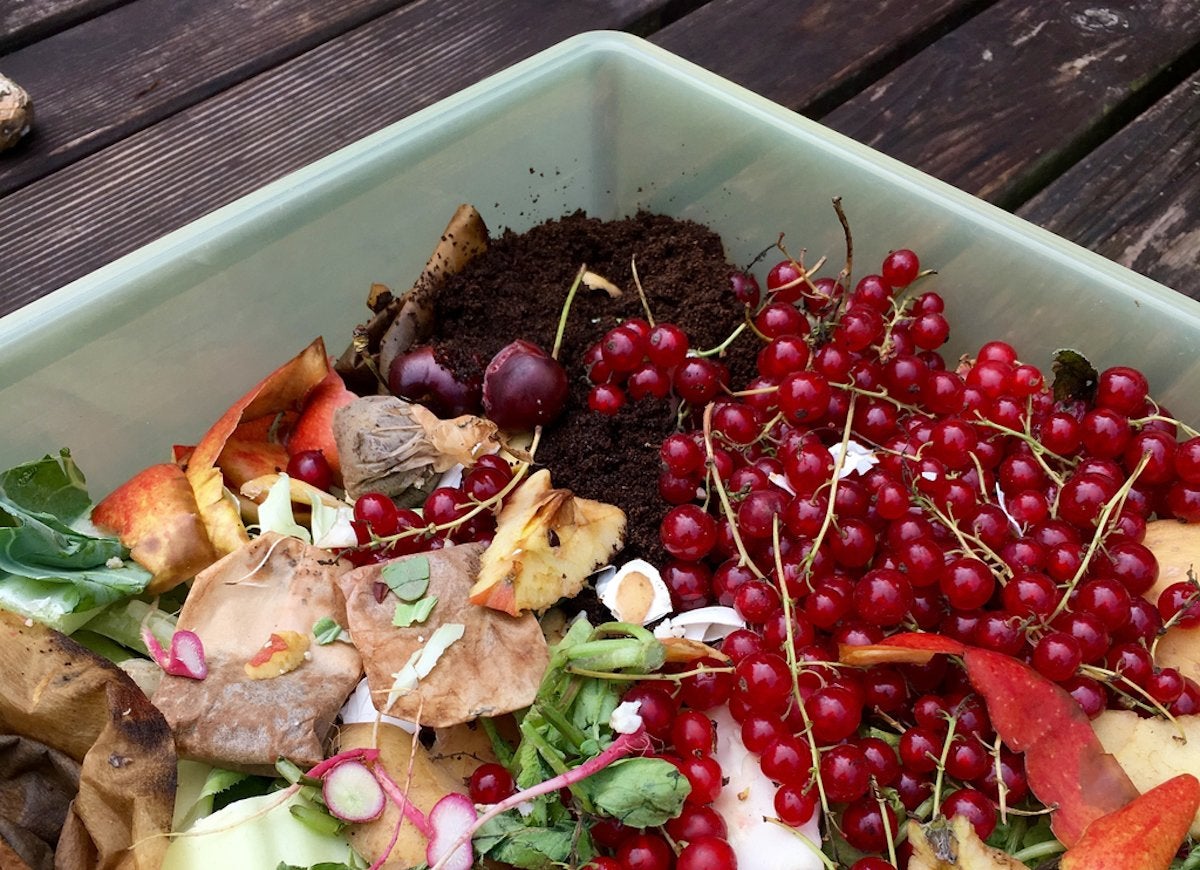
Compost Tea
Club Soda
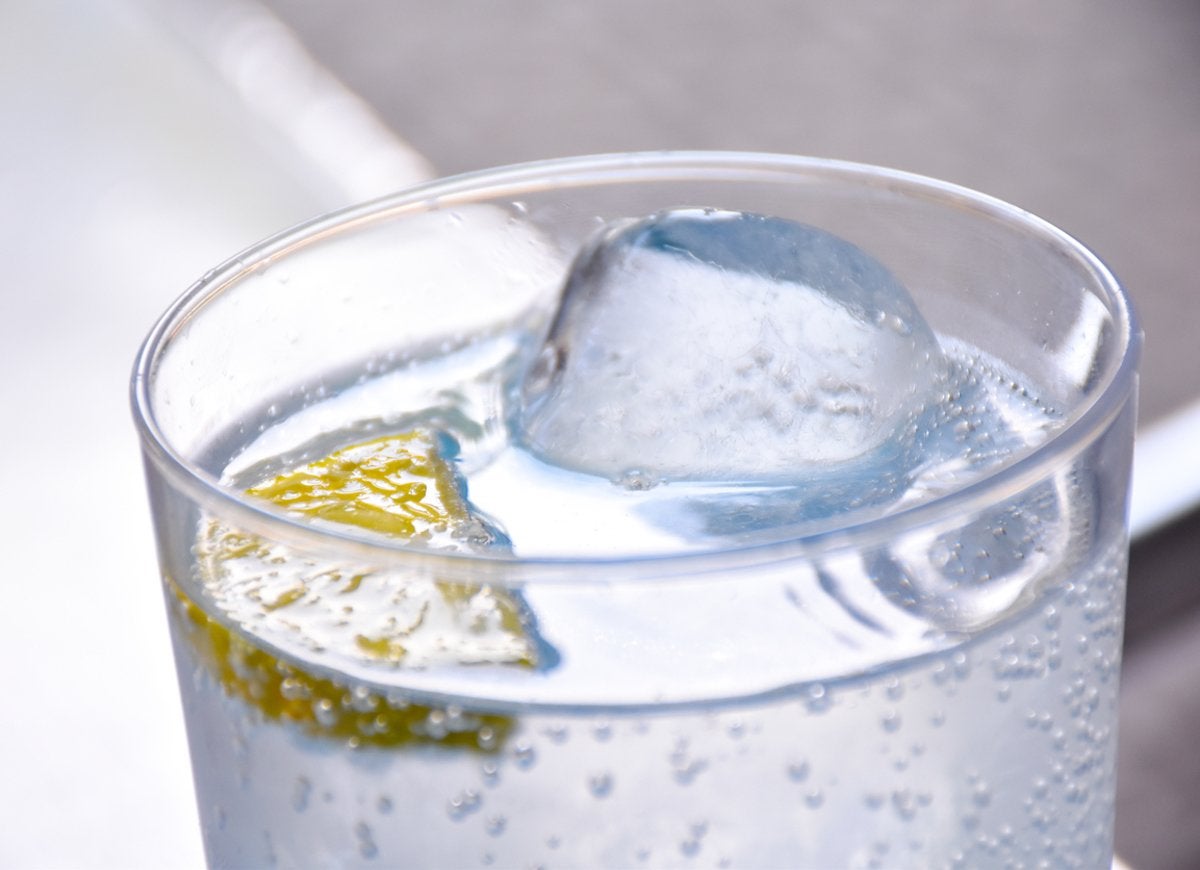
What makes club soda more nutritious then normal water? Carbonated water contains macronutrients, including carbon, oxygen, hydrogen, phosphorous, potassium, sulfur, and sodium, all of which are beneficial for your greenery. The trick, for those trying this at home, is to let the fizzy water go flat before pouring it on your plants.Aquarium Water
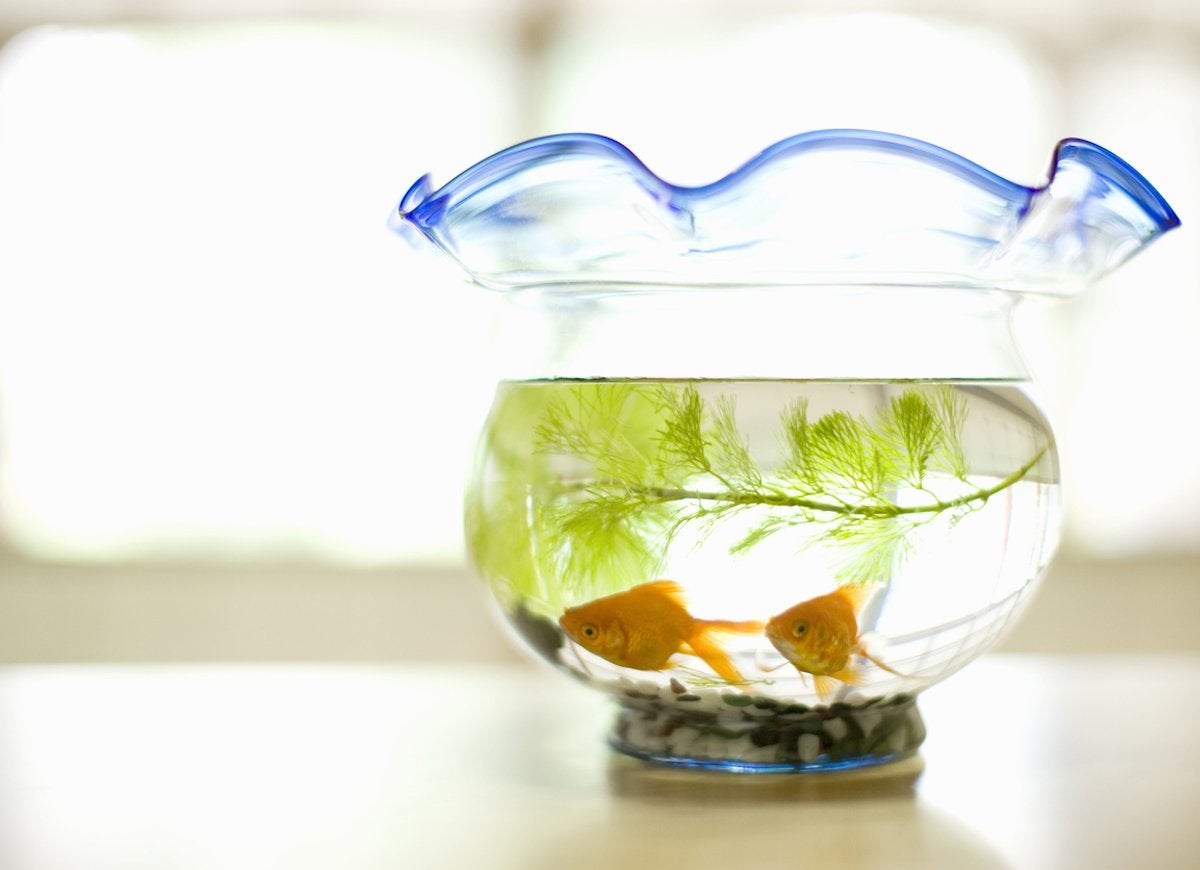
When it’s time to change the water in your fish tank, consider pouring the old water out on your plants. The waste and bacteria in aquarium water may be harmful to fishes, but they are beneficial to plants. Just make sure to use freshwater only, not saltwater, and apply it only to ornamental plants, not edible ones.Coffee Grounds
Old coffee grounds have many uses, but they're particularly effective as plant boosters, thanks to their calcium, potassium, nitrogen, and phosphorus content. Because coffee grounds acidify soil, acid-loving plants like rosebushes, evergreens, and azaleas benefit most from a treatment. Scatter fresh grounds lightly at the base of your plant or add them to the compost pile, where they will mix with other food scraps and leaves to create a rich soil.Eggshells
Because of their rich calcium content, eggshells should be tossed in your garden and not dust bin. Rinse them, crush them, and add them to plants like tomatoes that are often plagued by calcium deficiency. Or, start seedlings in eggshells that have been carefully halved and rinsed. When the seedlings are big enough to be transplanted, plant them right in the ground, shell and all; the shell will biodegrade over time.Tea Leaves
Grass Clippings
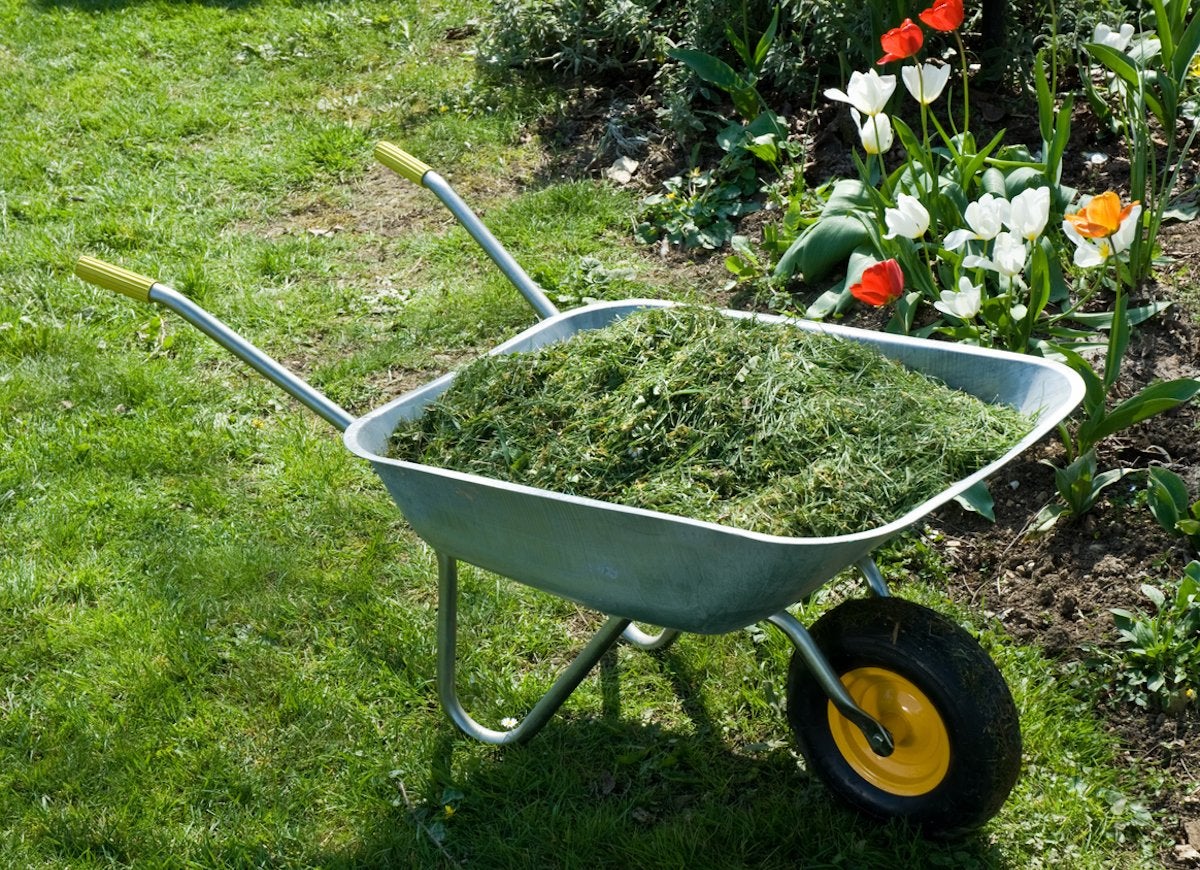
Adding a thin layer of grass clippings to your vegetable garden can prevent weed growth and help plants retain moisture. Apply no more than one-quarter inch of grass mulch; adding too much could inhibit water from passing through. Grass clippings that are full of weed seeds should be composted rather than applied directly to your garden—the heat from a properly maintained compost pile will kill the weed seeds.
Saturday, July 21, 2018
Do you know what these juicy veggies are?
Grown in MahaGro Potting Mix, do you know what these juicy veggies are? Thanks ma'am for sharing the pic!

Monday, July 9, 2018
Gardening for weight loss
Could gardening be the best weight loss exercise?
Apparently, gardening is the world’s best-kept exercise secret. Other than the obvious – netting us fresh, better tasting fruits and vegetables to eat (studies show that gardeners generally consume more fruits and vegetables than non-gardeners) – it also makes us fitter!
Here’s how:
Gardening is Just Like the Gym!
You know your regular exercise routine? Gardening has equivalents:
- Turning soil = Lifting weights
- Raking = Using a rowing machine
- Pushing the lawn mower = Walking on a treadmill
Each of these exercises (whether in the gym or in the garden) burns close to the same number of calories!

The exercise intensities of 10 gardening tasks for men and women in their 20s was studied by researchers from Konkuk University and Hongik University in Seoul, South Korea.
They found that all 10 gardening tasks were “moderate- to high-intensity” activities. While planting transplants, mixing growing medium, watering, harvesting, sowing, hoeing, raking, and weeding were all classified as “moderate intensity” – digging was a found to be a “high-intensity” activity and was the most intense task in study. Gardening is a Workout for Every Body Part

It works all the major muscle groups – legs, buttocks, arms, shoulders, neck, back and abdomen since lots of stretching, pulling and lifting is involved (reaching for weeds, bending, digging to plant a seed...).
It’s exactly how ALL effective exercise regimes are supposed to be structured.
It’s a Great Osteoporosis Exercise

All action during gardening is smooth and low impact, so there is minimal jarring and stress on the body and joints (unlike in high intensity aerobics workouts). This means there’s a lower chance of injury and wear and tear of bones and muscles. In fact, research says gardening is by far the best way to prevent osteoporosis as it involves lots of weight-bearing exercises.
Those who work in their garden have actually been found to have higher bone density than those who opt for other exercises (like swimming, jogging, dancing, etc.).
It Makes Us Happy

Picture to yourself two scenarios: Doing crunches in a closed-wall gym. And watering rose plants in a garden. Even the biggest gym nut out there will admit that the latter is a much more relaxed, a far more pleasant activity!
Science proves it too: gardening drops the levels of cortisol (the stress hormone) that influences not just our mood, but also our weight (particularly belly fat). In fact, a study done in Norway showed that those suffering from depression (and other mental disorders like bipolar disorder) experience a measurable improvement in their conditions when they do gardening.
Wednesday, June 27, 2018
How to use tomato fertilizer?
How to use tomato fertilizer to get the best tomato production
Take a few simple steps to give the right kind of tomato fertilizer to your plants at the right time during growing season.
Over the course of a few months, a tomato grows from a tiny seed into a mature plant putting out dozens of fruit. It’s no wonder tomatoes are heavy feeders. Fertilizing begins before setting plants out in garden and continues until frost.
Start fertilizing before planting
Work potting mix into the soil before planting. Potting mix will improve the soil and provide a strong array of nutrients for the new tomato seedlings.
If you do not use potting mix and work in organic matter to the soil that has not yet broken down into compost (such as leaves or grass clippings), apply a good source of nitrogen, too, since organic material uses nitrogen when breaking down.
Fertilize when planting
When you plant tomatoes, add a handful of organic fertilizer to the planting hole. Keep a careful eye on newly-planted seedlings for the first two weeks. Transplanted seedlings with yellowed leaves at the base need to be fed again.
Fertilize when fruit has set
- Apply organic fertilizer once fruit has formed. Some gardeners look for their first tomatoes to be a small ball size as a signal to begin the season’s systematic feeding program. Make sure to use a fertilizer that has the nutrient content that tomatoes need.
- Continue fertilizing tomatoes about every 3-4 weeks.
- Tomatoes grown in sandy soil should be fertilized more often because nutrients leach quickly from soil.
- Tomatoes grown in heavy, clay soils will retain nutrients and can be fertilized on a less-frequent schedule.
How to apply tomato fertilizer
- Pull away potting mix about 4-6 inches away from the base of the tomato plant
- Sprinkle 2-3 tablespoons fertilizer around the drip line of the plant. Do not allow the fertilizer to touch the plant, or it will burn the leaves and stems.
- Use a garden hand tool to gently work fertilizer into the soil. Do not penetrate soil too deeply or you will disturb the plant’s root system.
- Water the tomato plant to allow fertilizer to begin absorption into the soil.
- Replace the mulch around the base of the plant.
Plan for next year by rotating crops
Since tomatoes are heavy feeders, try not to deplete your garden soil by planting them in the same spot each year. Rotate crops instead. Ideally, the garden shouldn’t have tomatoes in the same spot more than once every 4 years.
Sunday, June 24, 2018
Tuesday, June 12, 2018
How to Grow Spinach in Pots?
How to Grow Spinach in Pots || Growing Spinach in Containers & Care
Growing Spinach in Pots from Seeds
Sow seeds 1/2 inches deep directly in containers or a seed tray. Seedlings will germinate in 5-14 days depending on the variety and growing conditions. If you have sown seeds in a seed tray wait until 2-3 true leaves appear on each plant and then transplant them into the original pots carefully.
Choosing a pot
For growing spinach in pots, choose a pot that is least 6-8 inches deep. You don’t need a very deep pot rather use a wide pot. You can either use so many small pots and grow one plant in each or select large window boxes, wooden boxes or crates.
Spacing
Provide each spinach plant a space of 3 inches, if you want to pick large leaves, give more space to each plant, 5 inches. If you want to harvest leaves at very young age, then the spacing can be reduced to 2 inches only. Divide the planter box into squares, and see how many plants will feel comfortable in it.
Requirements for Growing Spinach in Containers
Position
If you are growing spinach in winter, keep the plant in a sunny spot due to shorter days and less intensity of the sun. For spring and summer planting keep your potted plants in a location where it receives some shade, especially in the afternoon. In subtropical or tropical climate, place the containers in a spot that receives plenty of shade.
Soil
For growing spinach in containers, use quality potting mix rich in organic matter. The texture of soil must be crumbly and loamy. Avoid soil that clogs the drainage and remains waterlogged. Well-draining soil is most important factor for the optimum growth of spinach in containers. Soil pH must be neutral.
Watering
When growing spinach in containers, avoid water stagnation because it will lead to the development of rot and various fungal diseases. Also, avoid wetting the foliage. Keep the soil moist but not soggy or wet. Taking care of good drainage in the pot is necessary.
Temperature
Spinach seeds germinate in temperatures as low as 4 C and in high temperatures too. The best soil temperature for growing spinach falls in the range of 10-27 C. Once the temperature starts to soar high, you may need to provide shade to your plants.
Growing Spinach Indoors
Growing spinach indoors on a windowsill is a great idea (as it doesn’t require a lot of sunlight) if you’re short of outdoor space. For this, buy a few 6 inches deep small pots and grow spinach in them. You can also grow herbs and annual flowers there.
Spinach Care
Growing spinach in pots doesn’t need special care. Regular watering, fertilizing and the right soil is the key to the great harvest.
Fertilizing
For growing healthy green spinach, you have to provide nitrogen. At the time of planting, you can mix slow release fertilizer this will provide nutrients slowly. Feeding the plant with fish emulsion, compost or manure tea in the middle of the growth and so on is a nice organic way to promote the plants. If you have not done added time-based fertilizer, you can also feed the plant with balanced liquid fertilizer at regular intervals.
Pests and Diseases
You don’t need to worry much about pests as you’re growing spinach in containers, in a small space and you can easily control them. However, keeping an eye on leaf-eating insects like slugs and caterpillars and other common garden pests like aphids will help you in eliminating them in time.
Harvesting
The spinach plant will be ready for harvest 37-50 days after germination depending on the growing conditions and cultivar.
Harvesting can be done when the plant has formed at least 5-6 healthy leaves, and they are at least 3-4 inches long. Pick outer leaves first and leave the new inner leaves so that they continue to grow or cut the whole plant off at the base with a knife or scissor, the plant will resprout again.
When the weather becomes humid and hot (in warm climates) the plant tends to form an erect stem, on which you can see some small yellow or green flowers developing. To coincide with the flowering and the subsequent production of flowers, the foliage of the plant thickens and changes in flavor (more bitter), which is called bolting, so it is convenient to harvest the plant before it starts flowering for better taste.
Monday, June 4, 2018
Subscribe to:
Posts (Atom)